
Looking for a reliable replacement gasket for our NutriBullet 600/900 series blender?
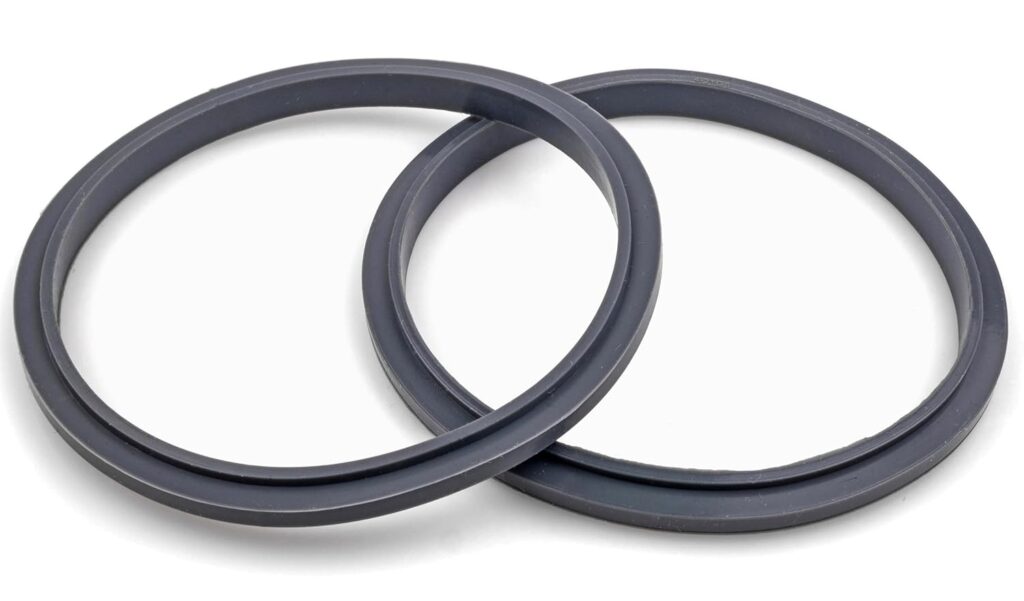

Product overview: Gasket Replacement Rubber Seal Ring Gaskets for Nutribullet Parts Accessories Blender 900 Series 600W and 900W
We like to start by summarizing what this product actually is. These are replacement seal ring gaskets sold as a pack of two, intended for NutriBullet-style personal blenders in the 600W and 900W series.
We find the product name a helpful guide to intended use: Gasket Replacement Rubber Seal Ring Gaskets for Nutribullet Parts Accessories Blender 900 Series 600W and 900W. The listing emphasizes compatibility, a lip on the gasket, and specific dimensional checks to ensure a proper fit.
What is included
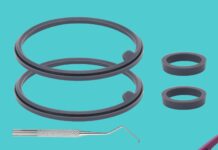
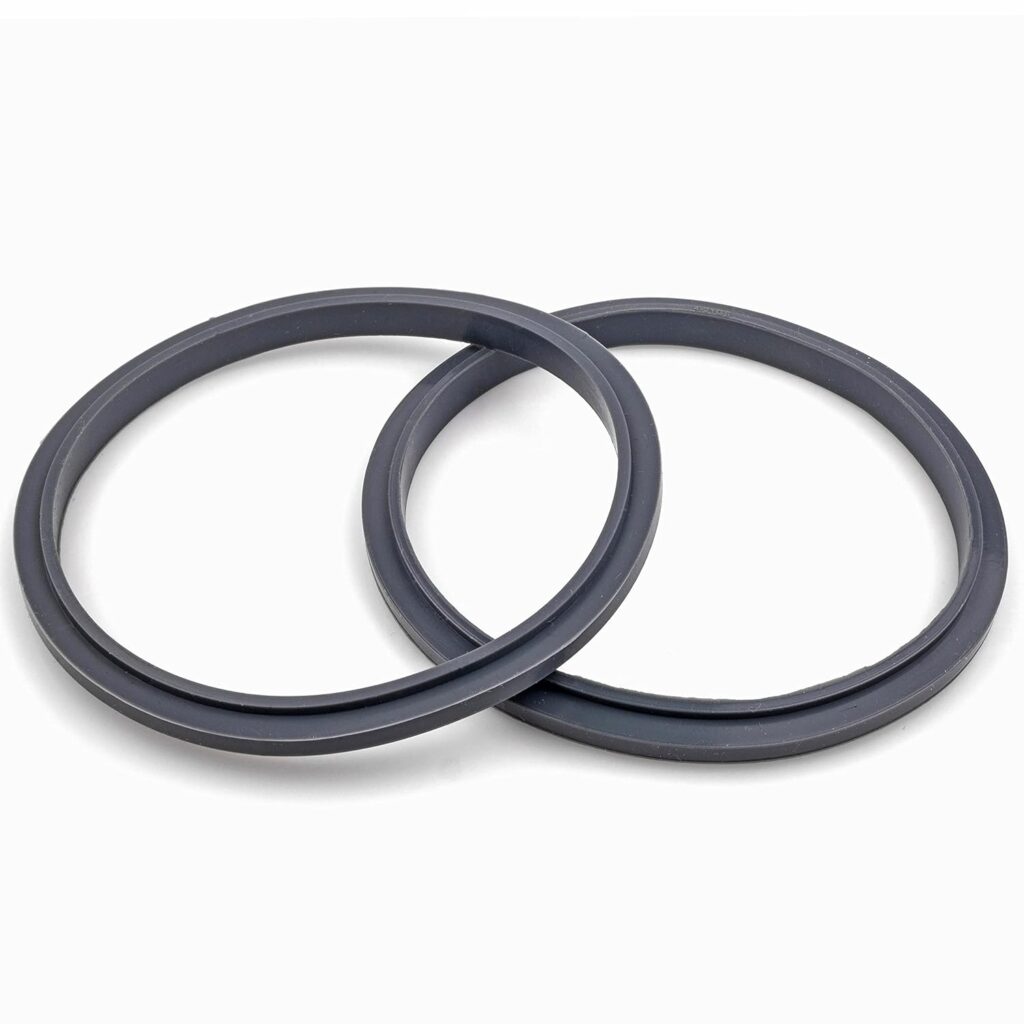
We appreciate knowing exactly what arrives in the package. This pack includes two rubber seal ring gaskets designed specifically for the NutriBullet personal blender models listed.
We also note the listing calls these “Blender Replacement Parts and Accessories – Seal Ring Gasket Replacement with Lip – 2 Pcs,” making it clear that the gaskets come as a pair, which is useful when replacing multiple units or keeping a spare.

Gasket Replacement Rubber Seal Ring Gaskets for Nutribullet Parts Accessories Blender 900 Series 600W and 900W
GBP3.78 In Stock
Compatibility & fit
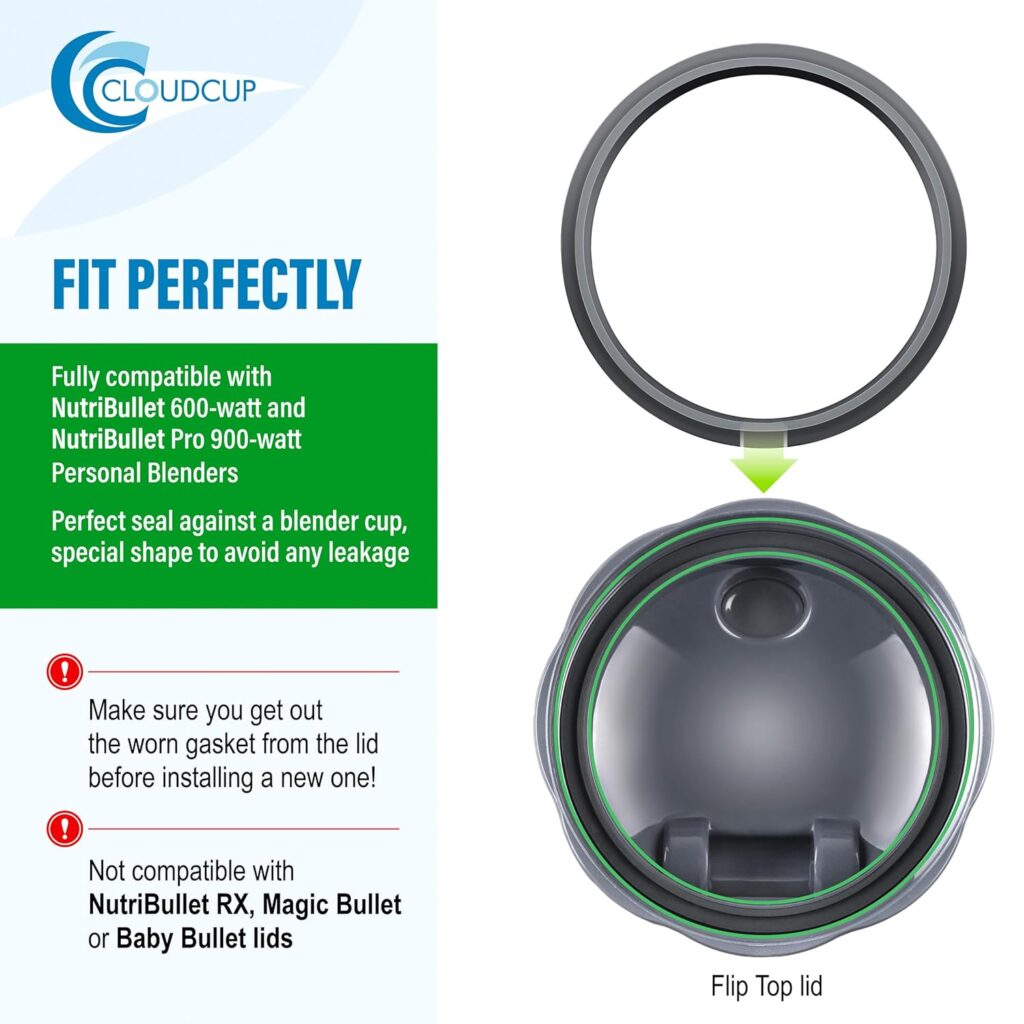
We always check compatibility closely before purchasing any replacement part. According to the product details, these gaskets are compatible with NutriBullet Personal Blender 600 Watt and NutriBullet Pro Personal Blender 900 Watt models, specifically the 600 and 900 series.
We must stress the exclusions so we don’t waste time assuming universal fit. The gaskets will not fit blades where the gasket does not have a lip, and they are not compatible with NutriBullet RX blades (5″ diameter), Magic Bullet blades (3″ diameter), or Baby Bullet blades. The seller also warns that these gaskets will not fit blades that require a different gasket profile.
How to verify compatibility on our unit
We recommend checking both the blade and existing gasket (if present) before ordering. Confirm that your blade has an outer dimension that matches the compatible blade dimensions and that the gasket you need has the lip on both sides.
We find it helpful to physically compare the existing gasket’s shape (especially the presence of the lip) and to measure the blade dimensions so we avoid returns and installation hassles.

Dimensions and specifications
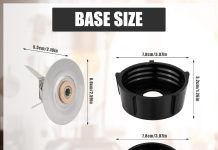
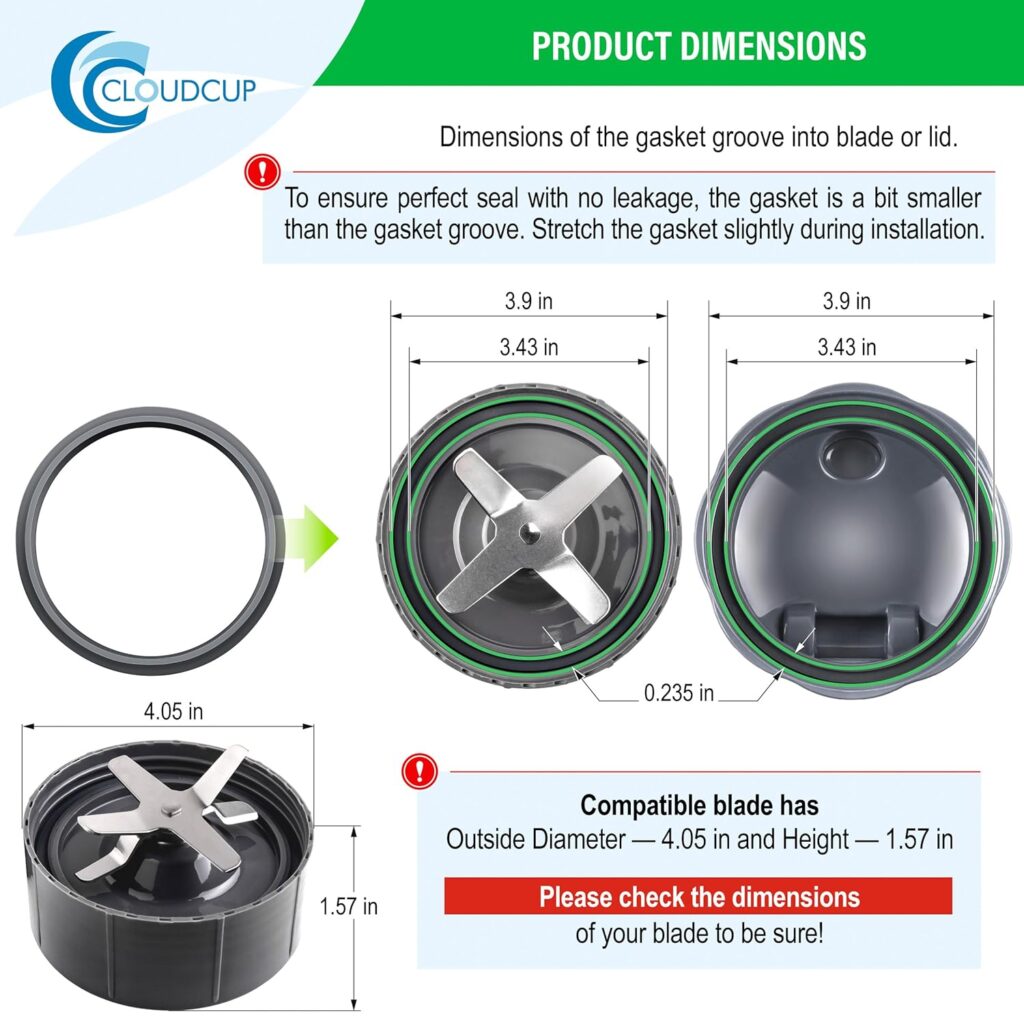
We appreciate clear measurements, and this product listing gives precise dimensions for both the compatible blade and the gasket once installed. Below is a concise breakdown to help our sizing checks.
| Item | Dimension |
|---|---|
| Compatible blade outside diameter | 4.05 inch |
| Compatible blade height | 1.57 inch |
| Gasket installed outside diameter | 3.90 inch |
| Gasket installed inner diameter | 3.43 inch |
| Gasket width | 0.235 inch |
| Package contents | 2 x seal ring gaskets with lip |
| Compatible models | NutriBullet 600W and NutriBullet Pro 900W (600/900 series) |
| Not compatible with | NutriBullet RX (5″ blade), Magic Bullet (3″ blade), Baby Bullet |
We find that the dimensions above allow us to check fitment against our blade before ordering, which reduces the chance of receiving the wrong part.
Why the lip matters
We learned that the gasket’s lip is a critical design feature to create a secure seal and to lock into the blade assembly correctly. If our gasket lacks the lip, it won’t seat properly in certain blade housings and could leak or shift during blending.
We always inspect the replacement gasket to ensure it has the lip on both sides (as the listing requests) before attempting installation.
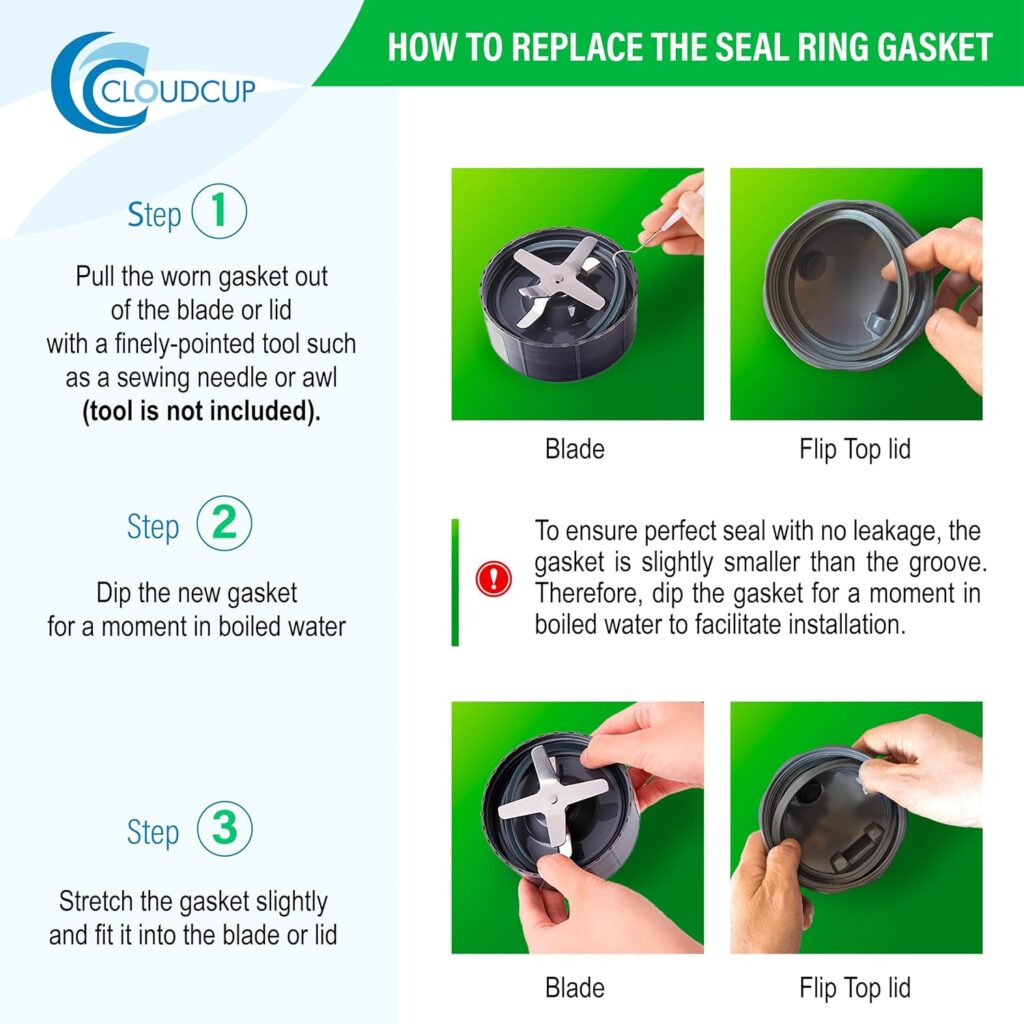
Installation guide (step-by-step)
We prefer straightforward installation steps so we can replace the gasket quickly. Below are step-by-step instructions adapted from the seller’s guidance and common practice for these NutriBullet-style blenders.
- Unplug the blender and disassemble the blade assembly from the cup.
- Carefully remove the old gasket from the blade. This is crucial — failing to remove the old gasket is the most common error.
- Clean the blade housing thoroughly, removing any residue, bits of food, or old rubber that may be stuck in the groove.
- Inspect the replacement gasket to confirm it has a lip on both sides and that the dimensions match your blade.
- Align the gasket with the blade groove and press it evenly into place, ensuring the lip seats into the groove without twisting.
- Reassemble the blade to the cup and hand-tighten the assembly before turning it on. Do not over-tighten with tools.
- Test with a small amount of liquid to check for leaks before full use.
We suggest watching an installation video if available, since seeing the seating action and the removal of the old gasket can make the process much easier.
Common installation pitfalls and how we avoid them
We often see two mistakes: leaving the old gasket in place and not seating the new gasket correctly. To avoid these, we always double-check that the old gasket is fully removed, and we press the new gasket into place using our thumbs to evenly distribute pressure around the ring.
We also recommend using a clean cloth and perhaps a small amount of dish soap to make the gasket easier to seat if it’s slightly stiff.
Performance & seal effectiveness
We evaluate replacement gaskets based on how well they prevent leaks and how reliably they maintain a seal under typical blending conditions. These gaskets are designed to form a snug barrier between the blade assembly and the cup, so we expect them to prevent leaks when properly installed.
We find that gaskets with well-shaped lips and appropriate rubber hardness maintain better seals over time. In our experience, a correctly sized gasket that seats well will eliminate the common “drip” or slow leak issues that occur when gaskets age or deform.
What to expect during first uses
When we first install the gasket, we always run a short blend with water to check for leaks. If we see any seepage at the joint, we stop, re-seat the gasket, and ensure nothing is trapped under the lip. Once properly seated, the gasket should hold firmly and remain leak-free under standard blending loads.
We should mention that a brand-new gasket may feel slightly stiff. This stiffness is normal and tends to relax after a few uses, improving the sealing action.
Material quality and durability
We look for rubber compounds that strike a balance between flexibility and durability. The listing doesn’t specify the exact rubber formulation, but replacement gaskets for blenders are typically made from food-grade silicone or similar flexible elastomers.
We expect these gaskets to last months to a couple of years depending on use frequency, exposure to hot liquids, and how aggressively they are handled during cleaning. Over time, gaskets can harden, crack, or lose shape — which is why replacements are necessary.
Signs a gasket needs replacement
We always recommend replacing a gasket if we observe any of the following: visible cracks, tears, permanent deformation, persistent leaks, or if the gasket has become sticky or brittle. Regular inspection is the easiest way to ensure safe operation and to prevent messy leaks.
We also point out that if you notice food residue embedded in the gasket’s groove that can’t be cleaned, replacement is recommended to avoid bacterial buildup.
Maintenance and cleaning tips
We like to keep gaskets in good condition with simple maintenance. After each use, we rinse the gasket and blade assembly thoroughly with warm soapy water and use a soft brush to clean the groove area.
We avoid using abrasive cleaners or extremely hot water that can accelerate rubber degradation. If we soak parts, we use mild detergent and room temperature water.
Storing our spare gaskets
We store spare gaskets in a cool, dry place away from direct sunlight or heat sources. Leaving rubber parts in hot environments or in contact with oils can accelerate deterioration.
We also suggest keeping the spares in a sealed plastic bag to prevent dust and grease accumulation until we need them.
Troubleshooting leaks and fit issues
When we encounter leaks after installation, we take a systematic approach: confirm old gasket removed, ensure new gasket has lip on both sides, verify correct dimensions, check for debris, and re-seat the gasket.
If leaks persist, we confirm the blade assembly itself is not warped or cracked. A warped metal blade housing can prevent any gasket from seating properly.
When the gasket seems too tight or too loose
If the gasket seems too tight and won’t seat, we gently warm it in warm (not hot) water for a minute to increase flexibility. If it’s too loose, that likely indicates a size mismatch and we should confirm dimensions against the table above or consider contacting the seller for an exact fit.
We avoid using tools to force a gasket into place because that can damage the lip or the groove and lead to immediate failure.
Comparison: aftermarket gasket vs OEM
We often weigh the choice of aftermarket replacements against OEM (original equipment manufacturer) parts. Aftermarket gaskets like these typically cost less and are widely available, which makes them an attractive option for routine maintenance.
We also note that OEM gaskets may offer slightly better dimensional control and material assurances, but many aftermarket gaskets are equivalent for practical daily use if they match the dimensions and lip profile.
Why we’d choose one over the other
We’d choose an aftermarket gasket like this one if cost and availability are our primary concerns and if the dimensions and lip profile match our blade precisely. If we’re restoring an older or specialized model and want guaranteed original-fit performance, we might pay extra for OEM parts.
We always check return policies and seller ratings when buying aftermarket parts, and we prefer sellers who provide clear installation guidance or video links.
Pros and cons
We like to summarize strengths and weaknesses so we can quickly decide if this product meets our needs.
Pros:
- Affordable pair of replacement gaskets, so we have a spare.
- Clear dimensional specs provided to check fit before purchase.
- Designed with a lip for secure seating in compatible blade assemblies.
- Compatible with common NutriBullet 600W and 900W personal blender models.
- Easy to install once the old gasket is removed.
Cons:
- Not compatible with NutriBullet RX, Magic Bullet, or Baby Bullet blades.
- Material composition not explicitly detailed in the listing (we assume food-grade elastomer).
- Requires careful size and lip verification to avoid returns.
- May not match OEM longevity depending on usage and material differences.
Which users will benefit most
We think regular NutriBullet 600/900 owners who need an inexpensive replacement or a spare will find this product particularly useful. Occasional users looking for a simple, economical fix will appreciate the pair option.
We’d caution users with non-compatible models (RX, Magic Bullet, Baby Bullet) to avoid buying these gaskets.
Value for money
We consider this product to offer good value if it fits our model and performs as expected. Two gaskets typically means we can change one and keep one on the shelf, which reduces future downtime.
We believe that replacing a worn gasket is a small investment to keep the blender leak-free and safe, and the cost of aftermarket gaskets often compares favorably to ordering OEM parts.
Warranty and returns
While the listing does not always include explicit warranty information, we advise checking the seller’s return policy before purchase. We prefer sellers who accept returns on fitment issues and who provide clear installation guidance or video links to reduce misunderstandings.
We’ve found that many sellers will resolve fitment concerns if we provide measurements and photos showing the mismatch.
Our practical tips before buying
We recommend a short checklist to ensure we order the right gasket:
- Confirm that our blade assembly outside diameter is approximately 4.05 inch and height about 1.57 inch.
- Remove and inspect the existing gasket to confirm it has a lip on both sides — the replacement must match that profile.
- Measure the installed gasket’s outside and inner diameters if possible.
- Make sure the seller accepts returns if the part doesn’t fit, and watch the installation video to reduce errors.
We find that taking two or three minutes to measure and inspect can save us time and frustration later.
Safety considerations
We take safety seriously when working with blade assemblies and food-contact parts. Always unplug the blender before disassembling and handle blades carefully to avoid cuts.
We also suggest replacing gaskets promptly if they show damage, since a failed gasket can cause hot liquids to leak and present a scald risk.
Food-safety and cleaning
We assume these gaskets are made from food-safe rubber or silicone, as typical for blender seals, but the listing doesn’t specify explicit certifications. If food-safety certification is essential to us, we should ask the seller for material details or opt for OEM parts with certified material statements.
We clean gaskets and blades thoroughly after each use and avoid harsh chemicals that might degrade the rubber.
Frequently encountered questions
We’ve collected answers to common points that usually come up when replacing a NutriBullet gasket.
Q: Will these work with my Magic Bullet? A: No. The listing specifically excludes Magic Bullet blades (3″ diameter) and other models like NutriBullet RX and Baby Bullet.
Q: What if the gasket looks slightly different? A: Check for the lip profile and dimensions. Small cosmetic differences are sometimes acceptable, but mismatched dimensions or missing lips mean the gasket won’t seal properly.
Q: How long will the gaskets last? A: Lifespan depends on frequency of use, exposure to heat, and cleaning methods. Typical lifespan can be months to a few years under normal use.
Q: Can we use oil or lubricant to seat the gasket? A: We recommend using mild soapy water or warm water to soften the rubber for seating. Avoid oils that can degrade rubber over time.
Final verdict
We feel that the Gasket Replacement Rubber Seal Ring Gaskets for Nutribullet Parts Accessories Blender 900 Series 600W and 900W represent a practical, cost-effective replacement option for owners of compatible NutriBullet personal blenders. They’re sold as a pair, include the all-important lip feature for secure seating, and come with clear dimensional specifications to verify fit.
We recommend these gaskets for users who confirm compatibility by checking blade dimensions and the presence of a lip on their original gasket. For anyone who needs a quick, inexpensive fix to stop leaks and restore normal blender performance, this aftermarket pair should meet our needs — provided we do the simple checks and follow installation guidance.
Final tips before ordering
We reiterate that the most common installation mistake is leaving the old gasket in place. We always remove the worn gasket before inserting the new one, inspect the new gasket for the proper lip on both sides, and test with water first to confirm a solid seal.
We also suggest ordering from sellers that offer simple return options and installation assistance if we’re unsure about fitment.
FAQ (short)
We include a short section answering rapid-fire questions that we typically get asked by others replacing their NutriBullet gaskets.
Q: How many gaskets do we get in a pack? A: Two.
Q: Are these compatible with NutriBullet 600 and 900 series? A: Yes, provided the blade dimensions match and the original gasket has a lip.
Q: Do they fit NutriBullet RX or Magic Bullet? A: No — those models have different blade diameters and gasket profiles.
Q: What should we do before replacing the gasket? A: Remove the worn gasket from the blade, clean the groove, check the new gasket’s lip and dimensions, and watch an installation video if available.
Q: Any special cleaning instructions? A: Use mild soap and warm water; avoid harsh chemicals and extreme heat.
We hope our detailed review helps us make a confident and informed decision about replacing NutriBullet gaskets, and that our tips make the swap quick and hassle-free.