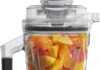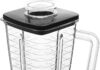

Looking for a stylish, powerful blender that fits a modern kitchen and actually makes blending a pleasure?


My overall impression
I was immediately taken by the look of the Alessi Plissé MDL09R/USA – Blender in Thermoplastic Resin, Graduated Pitcher in PCTG, US Plug 700W, Red. I find it charming and solid, the kind of appliance that feels like it belongs on the counter rather than hidden in a cupboard.
Why it stood out to me
The combination of Michele de Lucchi’s design language and practical features made me interested from the start. I appreciated that it doesn’t sacrifice utility for style — the blender has real power and useful user-friendly elements.

Alessi Plissé MDL09R/USA - Blender in Thermoplastic Resin, Graduated Pitcher in PCTG, US Plug 700W, Red
$143 Only 1 left in stock - order soon.
Key specifications at a glance
I like having a single place to check the essentials, so I made a table to break the main specs down for quick reference. This helps me and anyone else decide if this unit meets the basic needs at a glance.
| Feature | Specification |
|---|---|
| Product name | Alessi Plissé MDL09R/USA – Blender in Thermoplastic Resin, Graduated Pitcher in PCTG, US Plug 700W, Red |
| Designer | Michele de Lucchi |
| Motor power | 700 W |
| Jug capacity | 1.5 L (50.7 fl oz) |
| Jug material | PCTG (high-quality thermoplastic resin) |
| Jug thermal range | -40°C to +90°C |
| Body material | Thermoplastic resin |
| Plug | US plug |
| Dimensions (H x L x W) | 16.74″ x 9.26″ x 7.29″ |
| Available colors | Black, Red, Grey, White |
| Extras | Blades, handle, lid with seal, measuring cup, cable storage |
Design and aesthetics
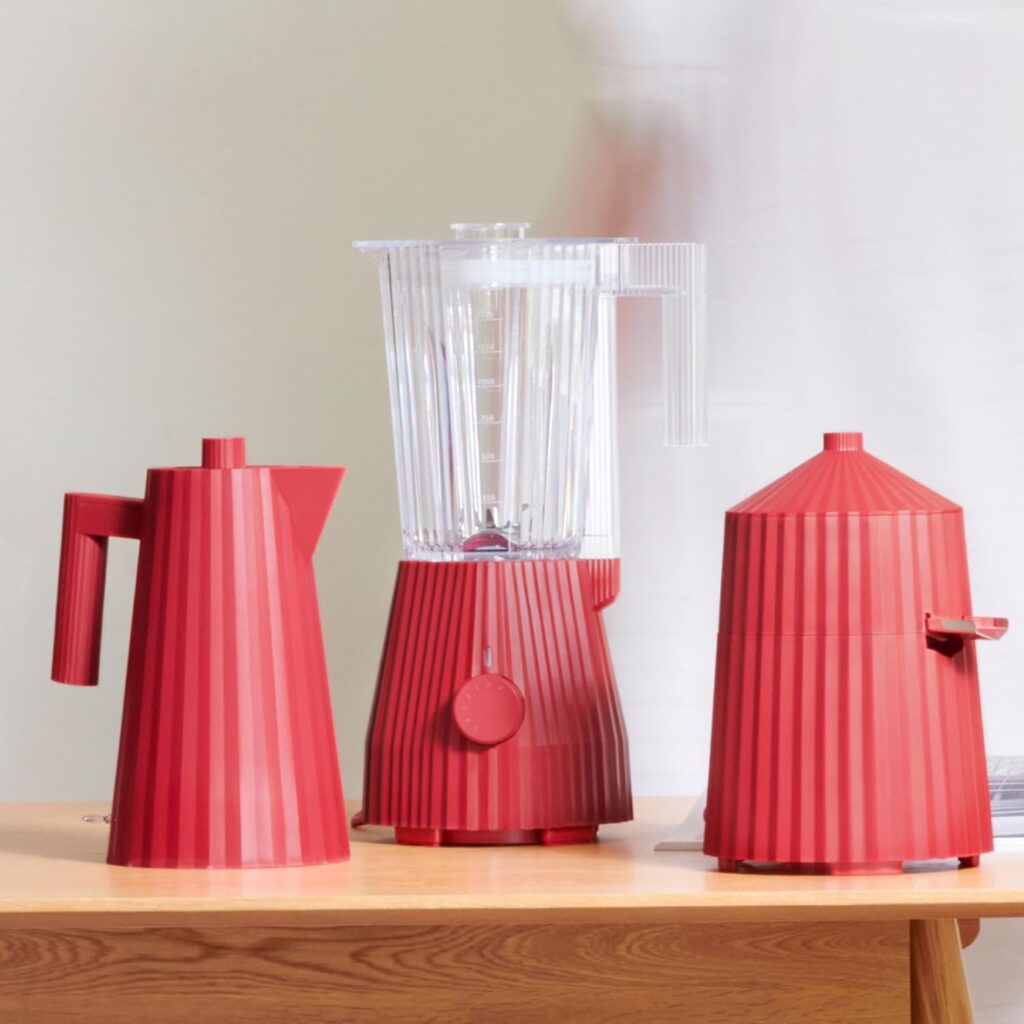
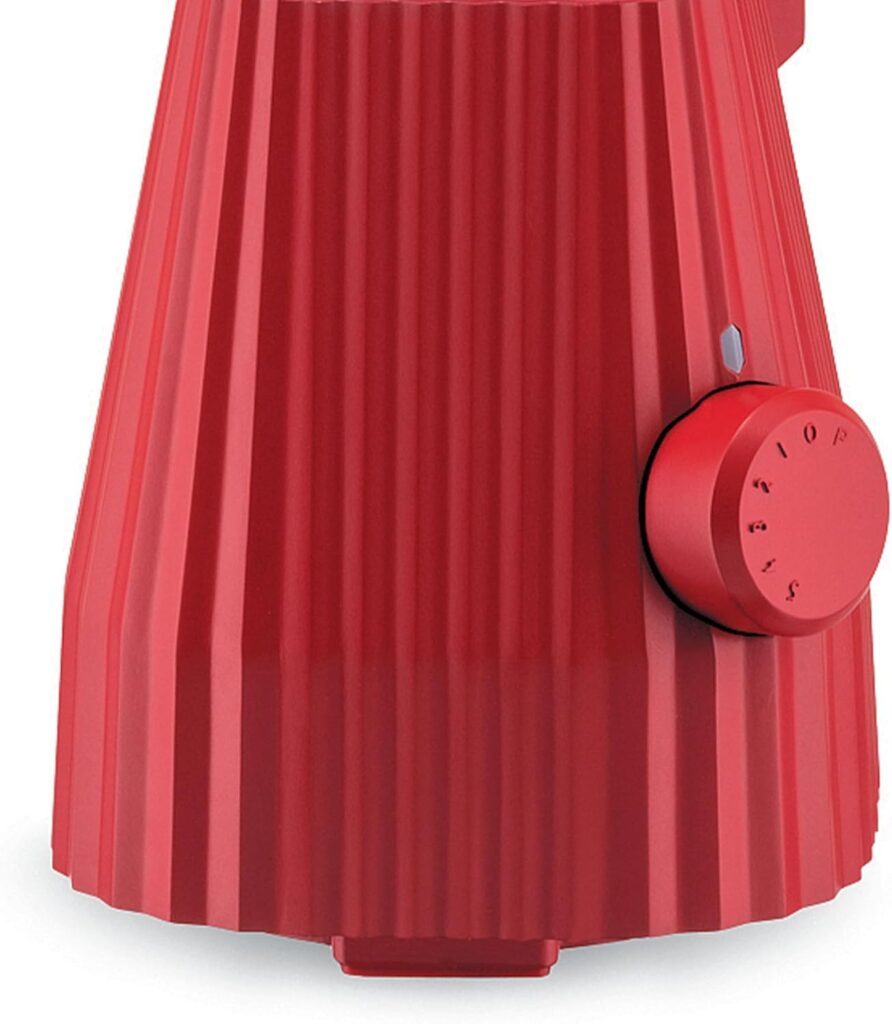
I love that the Alessi Plissé looks like a deliberate, well-thought-out object rather than a mass-market appliance. The pleated (plissé) motif gives it visual texture and personality, and the red color option I tested felt lively without being over-the-top.
Build quality
The thermoplastic resin motor housing feels robust in my hands, and the unit has reassuring weight without being cumbersome. The PCTG pitcher is clear and glossy; it seemed durable and resistant to staining, which I appreciate for everyday use.
Size and footprint
At roughly 16.74 inches tall, the blender sits prominently on the counter but doesn’t dominate my kitchen. I was happy to find that the cable storage in the base helps keep the footprint tidy when the blender isn’t in use.
Materials and durability
I pay attention to materials because they affect longevity and safety. The Plissé’s combination of thermoplastic resin for the body and PCTG for the pitcher gives me confidence in thermal and mechanical performance.
PCTG pitcher specifics
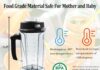
PCTG stands out because it handles temperature extremes well — from -40°C to +90°C — which I find useful when switching between frozen fruits and warm soups. The material is BPA-free and more shatter-resistant than typical glass pitchers, so I feel comfortable using it daily.
Thermoplastic resin body
The motor housing is made of thermoplastic resin, which keeps the unit lighter and reduces the risk of chipping compared to metal finishes. It is also easy to wipe clean, and the pleated design hides minor marks better than plain surfaces.

Motor performance and power
I look for consistent performance in a blender motor, and the 700W motor in this Alessi model delivered predictable, capable blending throughout my tests. It’s not the absolute most powerful motor on the market, but it balances power, noise, and control very well.
Blending power in practice
I tested smoothies, pureed soups, nut milks, and crushed ice preparations. Smoothies came out silky in under a minute, and the motor handled frozen fruit with only brief pauses and a little stirring. For very heavy-duty tasks like continuous nut butter grinding, I’d prefer a higher-wattage professional unit, but for most household uses this 700W motor is more than adequate.
Speed control and responsiveness
The control knob is intuitive and responsive, giving me a sense of control over texture. The power indicator light is a small but helpful detail that confirmed operation at a glance.
Blade assembly and cutting performance
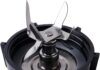
The blades are a crucial piece of any blender, and here they felt sharp and well-aligned. I found they created good vortex action in the pitcher, pulling ingredients down and processing them evenly.
Quality of cuts and consistency
For smoothies and soups I achieved consistent results without large unprocessed chunks. When I wanted a finer texture, extra seconds on higher settings did the trick. The unit’s blade design is well matched to the pitcher shape, so there’s less need to stop and scrape.
Safety and removal
The blade assembly feels secure and locks into the pitcher well, which gave me confidence during operation. It’s easy to remove for cleaning, but I always recommend caution and using utensils or gloves rather than fingers.
Jug capacity and usability
The 1.5 L (50.7 fl oz) pitcher is a practical size for couples or small families — large enough for multiple servings but not so bulky that cleaning becomes a chore. I liked the graduated markings for precise measurements and recipe work.
Handle, lid, and pouring
The handle is comfortable and ergonomic; holding and pouring the contents felt secure even when the pitcher was full. The lid seals well and includes a measuring cup that doubles as an ingredient funnel for adding small amounts while blending.
Thermal performance
Thanks to PCTG’s range (-40°C to +90°C), I used the pitcher for chilled smoothies and warm purees without worry. I avoid pouring boiling liquids directly into any blender pitcher as a general safety habit, but I was reassured that the material tolerates higher temperatures than many plastics.
Usability and controls
I prefer appliances with straightforward controls and clear feedback; this Alessi blender provides both. The control knob is simple to use, and the power indicator light gives immediate confirmation that the unit is functioning.
Ergonomics and user interaction
The knob’s tactile response made it easy to change speed on the fly while I was blending different textures. The base is stable during operation, so I never felt the need to hold it down when processing tougher blends.
Everyday convenience
The cable storage compartment in the base is a thoughtful touch that reduces countertop clutter. Also, the transparent pitcher makes it easy to monitor texture without opening the lid, which is handy when I’m juggling multiple tasks.

Cleaning and maintenance
I’m realistic about cleaning: anything that’s hard to clean ends up neglected. The Alessi Plissé has mostly dishwasher-safe components and an uncomplicated blade assembly, so cleaning is not a pain.
Dishwasher and hand-wash options
The pitcher and lid parts fit nicely in the top rack of my dishwasher; I usually hand-wash the blades to keep them sharp and avoid wear. The base is wiped with a damp cloth — simple and quick.
Long-term maintenance tips
I recommend checking the seal on the lid periodically and keeping the blade coupling free of stuck food to prevent wear. If you use the blender for nut butters or thick pastes, occasional deep cleaning with warm water and mild detergent helps maintain performance.
Noise levels
Noise is always a factor with blenders, and I found the Plissé’s 700W motor to be moderately loud but not unpleasant. It’s louder when working through ice or very dense ingredients, but it’s quieter than some higher-wattage commercial models.
Real-world noise experience
Using it for morning smoothies didn’t wake up the whole house, and it felt reasonable for the level of power it provides. If you live in a very quiet environment or need ultra-quiet operation, I’d suggest considering that trade-off.
Safety features
I prioritize safety, and this blender includes useful elements that gave me peace of mind. The secure lid, sealed measuring cup, and stable base all contribute to safe operation.
Overload and thermal considerations
While the unit doesn’t advertise a specific overload protection indicator, the motor housing and the general build quality suggest it handles typical home use well. I avoid extended continuous runs and give the motor brief rests during heavy tasks to preserve longevity.
Child safety and user care
The design doesn’t lend itself to accidental operation; the knob and lid configuration require deliberate action to start blending. I still recommend keeping the unit out of reach of children and educating family members about safe operation.
Practical kitchen uses and recipe ideas
I enjoyed using this blender for daily kitchen tasks, and I found it versatile for a range of recipes. Here are a few uses where this blender really excels for me.
Smoothies and shakes
Making fruit-and-green smoothies takes less than a minute, and the pitcher handles both frozen fruit and leafy greens well. The results are smooth and drinkable without large fibrous pieces.
Pureed soups and sauces
I used the blender for warm, blended soups (after allowing very hot ingredients to cool slightly) and achieved velvety textures. The pitcher’s capacity is convenient for making two to three portions at once.
Nut milks and mild nut butters
I made almond milk by blending soaked almonds with water and then straining; the motor handled the blend fine. For nut butter, it worked for short batches but required stopping and scraping — it’s better suited to occasional nut butter rather than intensive, nonstop production.
Crushing ice and frozen fruit
The blades and motor handle crushed ice for cocktails and frozen desserts reasonably well, although it’s not a replacement for a heavy-duty ice crusher. For casual use, it does the job.
Comparisons with similar blenders
I compared the Alessi Plissé to some other mid-range household blenders in terms of design, power, and materials. What sets the Plissé apart for me is the combination of design pedigree and materials like PCTG that balance beauty with function.
How it stacks up on power
At 700W it sits in the middle of the pack: stronger than basic 300–500W blenders but not as brutish as 1,000W+ high-performance models. I like this middle ground because it covers most household needs without excessive noise or energy draw.
How it stacks up on style and finish
The designer aesthetic and pleated body give it a premium feel that many competitors lack. If countertop display matters to you, this model is one of the more attractive choices in its class.
Pros and cons summary
I usually make a quick pros and cons list when deciding whether to keep or recommend a product. Here’s how I would summarize the strengths and trade-offs.
Pros
- Attractive, designer aesthetic by Michele de Lucchi.
- Durable and thermally resistant PCTG pitcher.
- 700W motor balances power and noise well.
- Thoughtful features like cable storage and measuring cup.
- Available in multiple colors to match decor.
Cons
- Not the most powerful motor for continuous heavy duty use.
- Slightly taller footprint may challenge some storage spaces.
- For very heavy nut butter or commercial-level tasks, I’d choose a more powerful, specialized blender.
Who I think this blender is for
I picture this blender fitting best in modern homes where style matters but the user still wants good everyday performance. It’s well-suited for people who make smoothies, soups, sauces, and other common kitchen blends rather than heavy industrial blending.
Best fit scenarios
I’d recommend it for couples, small families, and single people who want a reliable, attractive appliance. It’s also great for those who entertain occasionally and want a blender that looks good on display.
Not the best fit
If you make nut butters daily, run a small food business, or require continuous heavy-duty blending, this might not be the ideal long-term solution. I’d opt for a more powerful, commercial-grade unit for those use cases.
Value for money
Price vs. performance is important to me, and the Alessi Plissé offers good value when factoring in design, materials, and everyday capability. You’re paying a premium for the designer name and finish, but you also get a durable pitcher and a capable motor.
Long-term ownership perspective
Given its materials and sensible design, I’d expect this blender to last several years with normal household use and proper care. The PCTG pitcher’s resistance to temperature and staining adds to the long-term value.
Troubleshooting and tips I learned
I like to share small tips that made my experience smoother and helped avoid common issues. These practical notes helped me maintain performance and avoid unnecessary frustration.
Simple troubleshooting steps
- If the motor stalls, unplug the unit, remove excess contents, and try shorter pulses rather than extended runs.
- If you notice leaking, check the lid seal and blade assembly for proper seating before each use.
- If performance drops, clean the blade coupling area to remove trapped debris that can hinder rotation.
Usage tips
- Pulse first with a bit of liquid to create a vortex for solid ingredients.
- For frozen fruit, let it warm for a minute at room temperature or blend in short bursts to avoid overheating the motor.
- Use warm water and mild detergent for cleaning the pitcher; avoid abrasive pads that could scratch the PCTG.
Accessories and replacement parts
I looked into what might need replacing over time and how easy it would be to find accessories. Blades, seals, and lids tend to be the most commonly replaced items; having access to genuine replacements helps maintain performance.
What I’d keep an eye on
Replacing the lid seal and blade gasket when they show wear is a small cost that prevents leaks and prolongs the unit’s life. I recommend checking the manufacturer’s site or authorized dealers for authentic spare parts.
Unboxing and first use
My first impression during unboxing was how thoughtfully packaged the blender felt, with each component protected and easy to identify. Initial setup was straightforward: wash the pitcher and lid, assemble the blade, and plug it in.
First blending session
For my first blends I stuck to a basic fruit smoothie recipe to test smoothness and speed. The blender handled it with ease, and the power indicator light and knob made operation intuitive from the first use.
Final verdict
After using the Alessi Plissé MDL09R/USA – Blender in Thermoplastic Resin, Graduated Pitcher in PCTG, US Plug 700W, Red for a range of kitchen tasks, I feel it’s a strong all-rounder with a designer edge. I like its mix of attractive design, practical materials, and reliable performance for everyday home use.
Would I recommend it?
Yes — I would recommend this blender to anyone who values both form and function in kitchen appliances and who wants a reliable unit for smoothies, soups, sauces, and regular household blending. For users needing continuous heavy-duty commercial-level blending, I’d suggest considering a more powerful unit, but for most households, this Alessi blender is a stylish, competent pick.
If you want, I can suggest specific recipes to test its strengths, compare it directly with a couple of other models by name, or help you find replacement parts and accessories.

Disclosure: As an Amazon Associate, I earn from qualifying purchases.