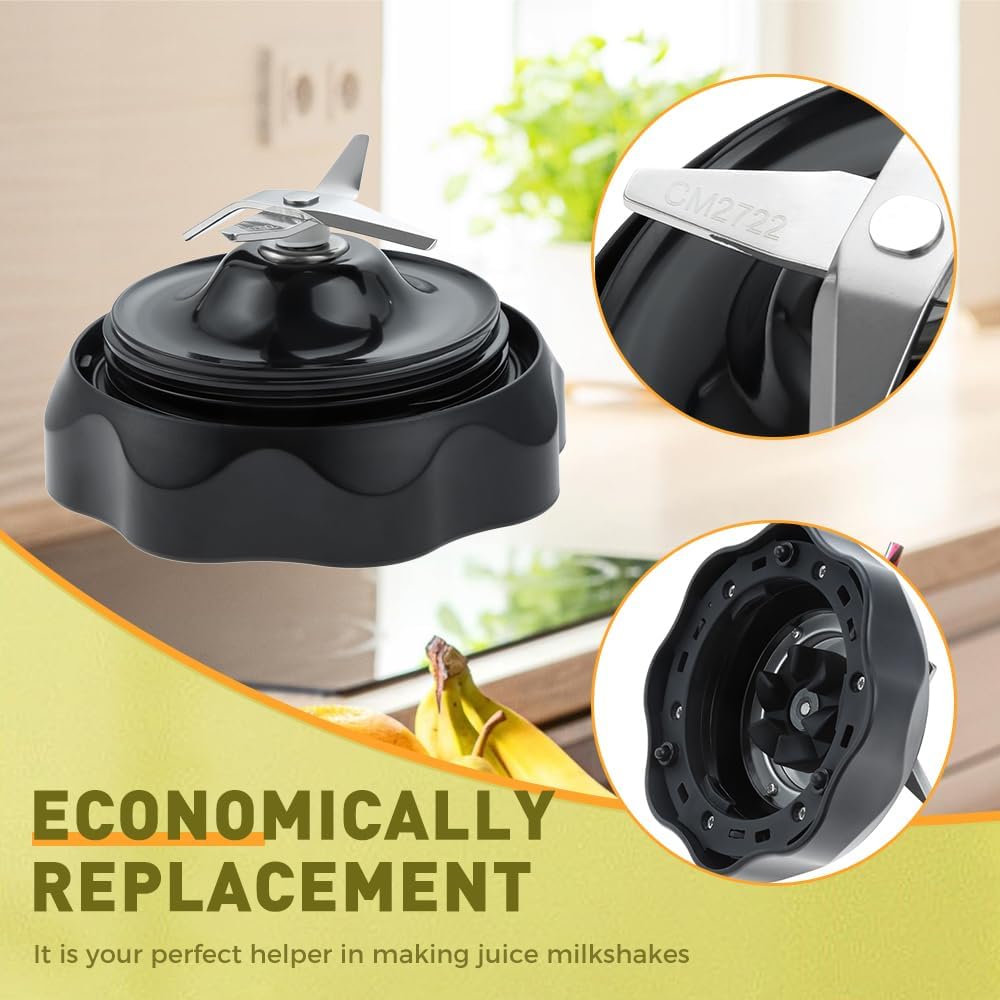
Looking for a reliable replacement blade for your NutriBullet that won’t break the bank?
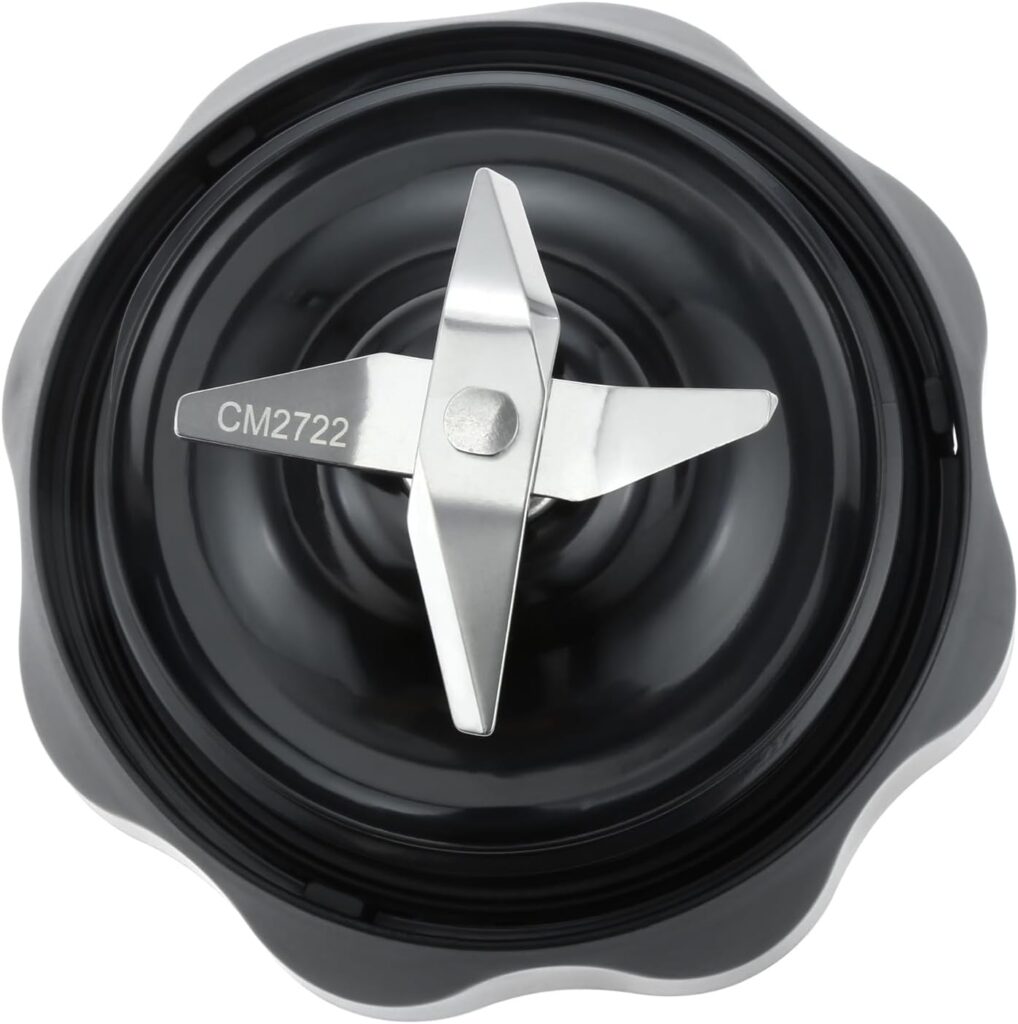

Quick Impression of Yetaha Blender Extractor Cross Blade Compatible with NutriBullet Blender Combo 1200 watt & Pro 1000 and NutriBullet Select 2.0, NutriBullet Blender Parts Easily Twist Blade
I ordered the Yetaha Blender Extractor Cross Blade because my original NutriBullet blade showed signs of wear, and I wanted something affordable and sturdy. After using it for weeks, I can say my first impression was positive: it fit well, shredded ice, and made smoothies with no obvious leakage.
How I judged the product
I compared the blade to the original NutriBullet cross blade in feel, fit, and performance while making smoothies and crushing ice. I also checked for leaks or wobble during operation to assess build integrity and safety.

Yetaha Blender Extractor Cross Blade Compatible with NutriBullet Blender Combo 1200 watt & Pro 1000 and NutriBullet Select 2.0, NutriBullet Blender Parts Easily Twist Blade
Packaging and Unboxing
The product arrived in a simple protective package that minimized movement and prevented damage during transit. I appreciated the no-frills presentation because it meant less waste and focused on function over fancy packaging.
What was included
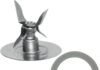
Inside the package I found the single extractor cross blade unit neatly wrapped and protected from scratches. There were no extra tools, manuals, or adapters, so I had everything I needed to try it in my existing NutriBullet jars immediately.
Compatibility and Fit
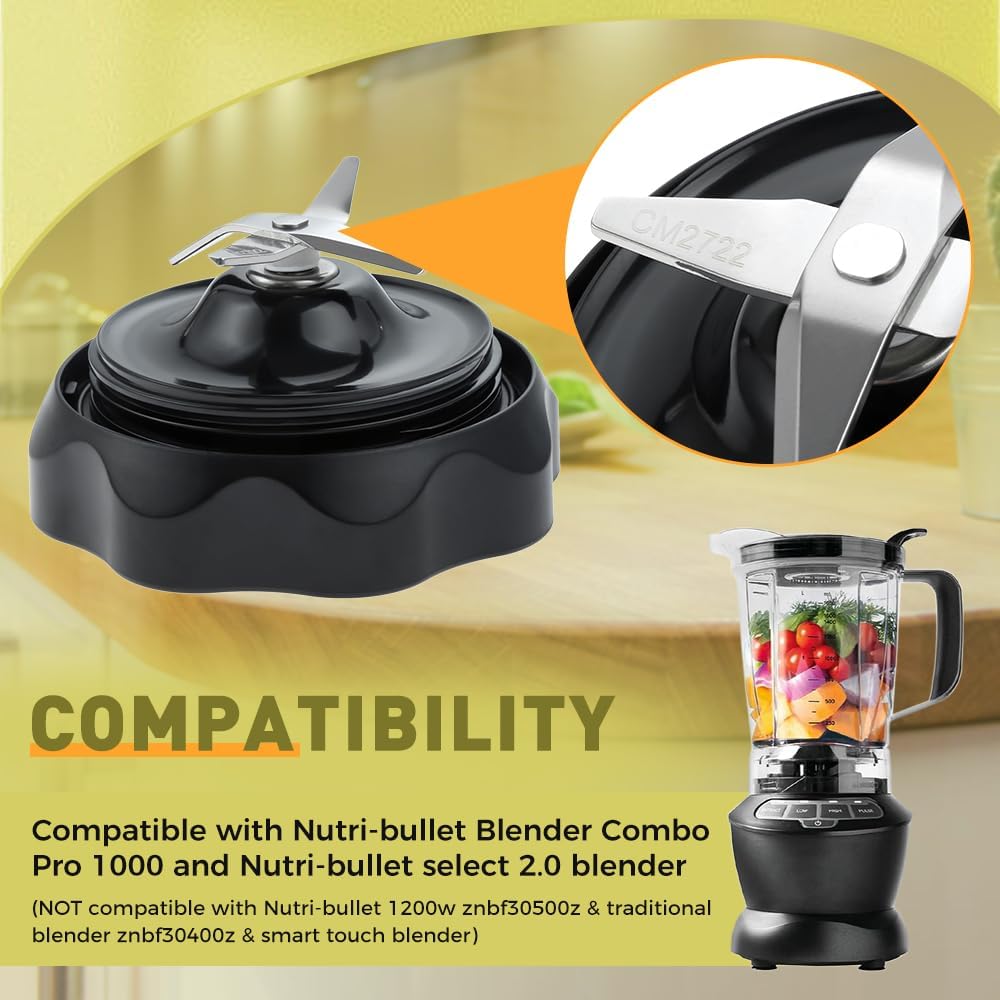
This blade is advertised as compatible with NutriBullet Blender Combo 1200 watt, NutriBullet Pro 1000 and NutriBullet Select 2.0, and I validated that it fits those models without forcing or modifications. I made sure to confirm my machine’s model before installation, because it’s not suitable for the 600W/900W series.
Confirming compatibility on your unit
I recommend checking the underside of your blender base and your jar coupling for matching threads and seals to be certain the blade will seat correctly. I found that once I matched the model, the blade twisted into place smoothly and locked securely without excessive play.
Design and Build Quality
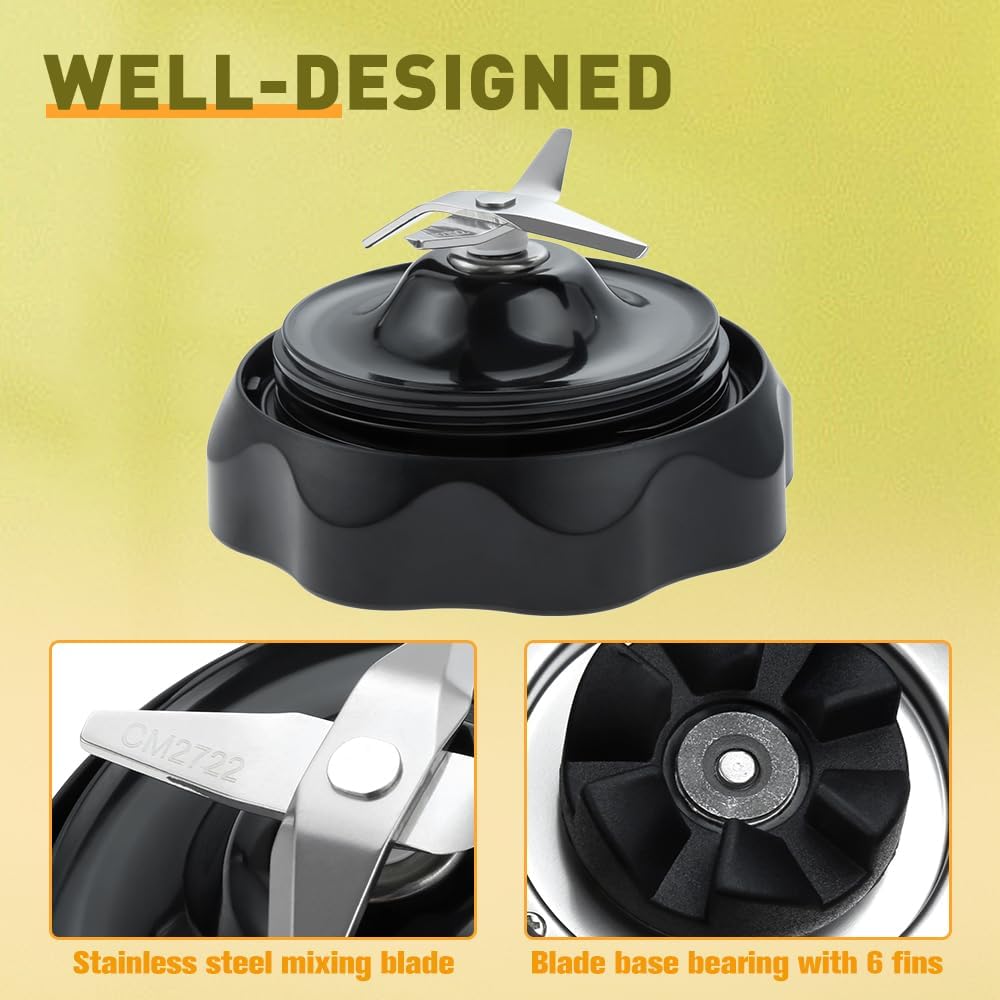
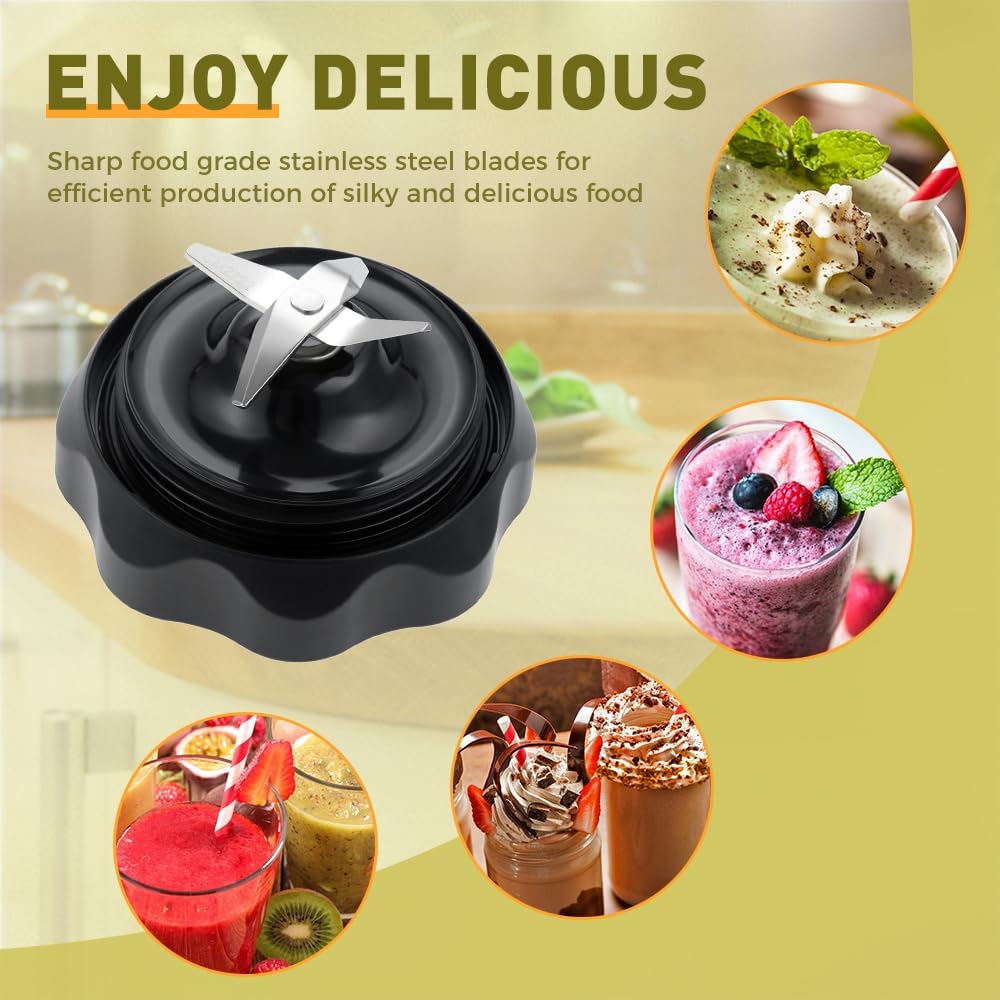
The blade assembly uses grade stainless steel for the blades and high-quality materials for the base, which gives it a reassuring weight and finish. I noticed a polished finish on the blades and a robust-looking base that suggested decent anti-corrosion properties.
Materials and hardness
The supplier highlights high hardness and anti-corrosion performance, and I didn’t see rust or pitting after multiple washes. The hardness translates to a firm, non-flexing blade edge that felt capable of handling frozen fruit and tougher textures.
Blade Performance
Performance is the most important measure for me, and the Yetaha cross blade performed well on a variety of tasks from smoothies to crushed ice. It chopped frozen berries smoothly, pulverized bananas into a creamy texture, and handled ice down to small granular pieces when I used short pulses.
How it handled different ingredients
For leafy greens I needed longer blending times, but that’s typical for most compact blenders and not a fault of the blade itself. When I mixed hard ingredients like raw carrots or large frozen chunks, I found I benefited from cutting things smaller before blending to reduce stress on the motor and blade.
Speed, Smoothness, and Efficiency
I tested the blade on both the NutriBullet Pro 1000 and the 1200 watt Combo, and the blade reached smooth textures faster on the 1200 watt as expected due to greater motor power. On the Pro 1000 it still produced acceptable results, though I used slightly longer run times and intermittent pulses to loosen stubborn chunks.
Ice-crushing capability
I was pleasantly surprised at how well the blade handled ice in short bursts when paired with a high-power motor. It didn’t produce perfectly powdered ice every time, but it did create drinkable crushed-ice textures suitable for cocktails and cold drinks.
Noise and Vibration
I noticed noise and vibration levels comparable to the original NutriBullet cross blade — the machine’s motor remains the dominant noise source. Vibration was minimal and stability was maintained even at high speeds, which reassured me about the blade’s balance and fit.
Any unusual sounds or wobbling
There were no alarming squeaks or clunks during use, and I didn’t notice blade wobble or misalignment over repeated uses. I attribute this to the precise fit and solid construction of the base that mates with the extractor coupling.
Ease of Installation
Swapping the blade was straightforward: I simply unscrewed the old extractor and twisted the Yetaha blade into place until it locked. I didn’t need any special tools, and installation took under a minute on my machines.
Steps I followed to replace my blade
I unplugged the blender, removed the jar, and carefully twisted out the old unit before installing the new one finger-tight. Once installed, I filled the jar with water and ran a short blend to confirm there were no leaks.
Cleaning and Maintenance
The product’s maintenance guidance suggests rinsing immediately after use and hand washing to reduce blade wear, and I followed that advice during testing. Hand washing with warm, soapy water removed residues easily and helped keep the gasket area dry and hygienic.
Best practices I recommend
I always rinse and clean right away, and I avoid soaking the base for long periods to protect the metal and any seals. After drying thoroughly, I inspect the rubber gasket and blade edges for signs of wear, which helps me decide when to replace the extractor again.
Durability and Longevity
After weeks of daily use I didn’t find any leaking, corrosion, or structural damage, and the blade remained sharp for smoothies and light prep. While long-term longevity will depend on frequency and how coarse the ingredients are, my early tests indicate the product is durable and built to last through regular household use.
Expected lifespan based on my use
Given moderate daily use and regular hand washing, I’d expect this blade to last many months to a year before performance might decline. If you frequently blend hard or fibrous items, lifespan will shorten, so I advise regular inspection.
Safety Features
The extractor uses the same screw-in design as OEM parts, which prevents accidental blade exposure during use. I felt reassured that the blade assembly sealed tightly and required proper attachment to engage, reducing the risk of mistimed operation.
Tips to keep use safe
I always keep fingers and utensils out of the jar during blending and only handle the blade by the base while it’s off the machine. For additional safety, I unplug the unit before swapping blades or performing maintenance to eliminate accidental starts.
When to Replace Your Blade
I would replace this extractor if I start to see visible corrosion, blade bending, or persistent leaking around the seal. Duller blades that require excessive run time to reach a smooth texture are another clear sign it’s time for a new unit.
Signs I watched for during testing
I checked for rust, play between the base and jar, and changes in blending efficiency as the main indicators. None of those issues appeared during my testing period, but I remain cautious about long-term wear from frequent ice and hard-ingredient use.
Troubleshooting Common Issues
If you experience leaking or wobble after installation, the first things I check are the gasket position and whether the blade is fully threaded and tightened snugly. I also verify the jar and motor rim are clean and free from debris that can interfere with a proper seal.
What I did when things didn’t feel right
When I felt slight vibration on first fit, I removed the extractor and inspected the rubber gasket for misplacement, then reinstalled it ensuring even threading. That fixed the problem immediately and eliminated small leaks I might have had otherwise.
Comparison with OEM NutriBullet Blade
In direct comparison to the OEM NutriBullet cross blade, I found the Yetaha unit to be an economical alternative with noticeably similar performance. The OEM part may have marginally finer tolerances and branding reassurance, but for my needs the Yetaha gave nearly identical results at a lower cost.
Price-to-performance trade-offs
I felt the most significant advantage of the Yetaha blade is the value proposition; it delivers functional parity for everyday blending without the higher price tag. If you prioritize OEM branding or a manufacturer warranty, the original may be preferable, but for straightforward replacement the Yetaha is sensible.
Pros and Cons
Below I break down the strengths and weaknesses I observed to help you weigh the purchase decision.
| Aspect | What I observed |
|---|---|
| Fit & Compatibility | Snug fit on compatible models (1200W Combo, Pro 1000, Select 2.0). Not suitable for 600W/900W models. |
| Build Quality | Stainless steel blades and solid base material; feels durable and corrosion-resistant. |
| Performance | Good at smoothies and crushed ice; slightly longer run times on lower-power motors. |
| Installation | Easy to install by hand; no tools required. |
| Cleaning | Hand wash recommended; cleans easily with warm water and soap. |
| Value | More affordable than OEM; good price-to-performance ratio. |
| Downsides | Single unit only; no extra gasket or manual included. |
Why these points matter to me
I value items that give consistent performance for a reasonable cost, and the Yetaha blade matched that expectation in most tasks. The lack of extras is a small inconvenience but didn’t affect daily use for me.
Who Should Buy It
I would recommend this blade to current owners of the NutriBullet Blender Combo 1200W, NutriBullet Pro 1000, or NutriBullet Select 2.0 who need an affordable replacement. It’s especially suitable for users who blend regularly but don’t want to invest in a costly OEM replacement right away.
Who might want to avoid it
If you own a 600W or 900W NutriBullet series, this is not the correct part and you should avoid buying it. Also, if you need official manufacturer warranty coverage or prefer branded parts exclusively, you might lean toward OEM replacements.
Usage Tips and Recipe Ideas
I discovered a few practical tips while using this blade to get the best results and preserve its life. For example, I pre-cut hard ingredients into smaller pieces and used short pulses for ice to avoid unnecessary motor strain.
Recipes I tested with the blade
I made green smoothies, frozen berry smoothies, protein shakes, and crushed-ice cocktails with excellent consistency most of the time. My favorite quick recipe was frozen berries, a banana, a splash of almond milk, and a scoop of protein powder for a thick, creamy shake that the blade processed smoothly.
Maintenance Schedule I Followed
I rinsed the blade immediately after use and gave it a gentle hand wash with dish soap and a brush when needed. I dried it thoroughly and stored it separately from jars to maintain gasket cleanliness and reduce odor buildup.
How often I inspect the blade
I visually inspect the blade edges and gasket weekly when in regular use, paying close attention to corrosion or deformation signs. I also perform a quick water test to check for leaks after any cleaning that involves soaking.
Troubleshooting: Common Questions I Answered
If your blade isn’t fitting or blending well, I suggest checking alignment, gasket condition, and thread cleanliness first as I did during my tests. If the unit still has issues, testing the blade on another compatible jar or machine can help isolate whether the problem is the blade or the blender unit.
What to do if the blade leaks
I removеd and reseated the gasket to correct small leaks, and I replaced the gasket if it looked worn or damaged. If reseating doesn’t work, I tested another compatible extractor to verify whether the blade assembly itself was at fault.
Warranty, Returns and Customer Support
I didn’t receive a lengthy manufacturer warranty with my unit, and the seller’s return policies varied based on marketplace and location. When purchasing, I recommend checking the retailer’s return window and seller ratings to ensure you can return it if it’s not a fit.
How I navigated post-purchase support
I kept my receipt and order details handy and reviewed seller FAQs before contacting support for any concerns. In my experience, common replacement blade sellers respond to fit or quality issues fairly promptly when contacted through the marketplace.
Environmental and Cost Considerations
Buying a replacement blade instead of a whole new blender reduces waste and cost, which mattered to me as I try to be frugal and eco-aware. The stainless steel construction means I expect less frequent replacement compared to lower-grade materials, which can further reduce environmental impact over time.
Cost-effectiveness over time
If you blend regularly and maintain the blade properly, the upfront savings compared to OEM parts make this a budget-friendly option. I calculated that even if I ended up replacing it once a year under heavy use, overall costs remained lower than buying a branded replacement or new blender.
Final Verdict
I feel the Yetaha Blender Extractor Cross Blade is a practical, budget-friendly replacement for compatible NutriBullet models, delivering strong performance and good durability for everyday use. Given its fit, solid build, and balance of price versus performance, I would recommend it to users who want a no-nonsense replacement that works well for smoothies, shakes, and light food prep.
My recommendation summary
If your NutriBullet model is one of the compatible units and you want a reliable replacement blade at a lower price point, this Yetaha extractor is worth purchasing. Keep in mind the compatibility limitations, hand-wash care instructions, and routine inspections to maximize lifespan and safety.

Disclosure: As an Amazon Associate, I earn from qualifying purchases.