Are we looking for a reliable replacement jar that restores our Oster blender to peak performance without forcing us to buy a whole new appliance?

Product Overview
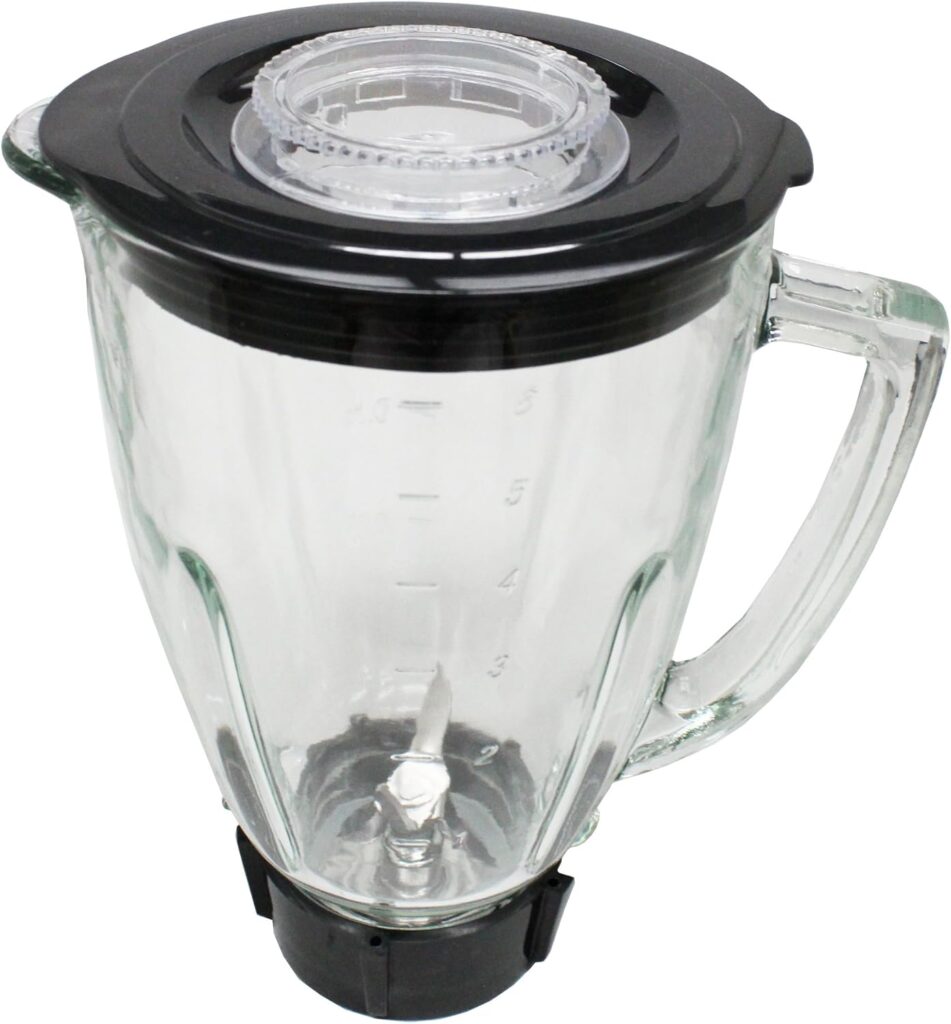
We think the Ronnel Collection 6 Piece Round Blender Glass Jar Replacement Kit for Oster Blender, 1.3 Liter – 5.6 Cup is designed to bring our blender back into service quickly and affordably. This kit targets common issues like cracked jars, worn gaskets, or damaged blade assemblies and includes the parts most likely to need replacement.
What the Kit Includes
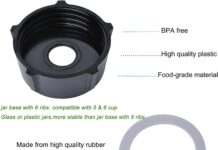
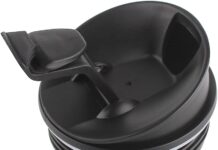
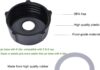
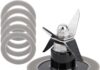
We expect the six pieces in the kit to give us everything needed for a complete jar-level repair or refresh. Typically, that set will include the glass jar, lid, lid plug (center cap), blade assembly, rubber gasket (seal), and drive coupling or base plate — the essential components that connect jar to motor.
Why We Might Choose This Kit
We choose replacement kits like this because they save us from spending on a new blender when the motor base still works perfectly. They also often use glass rather than plastic, which we prefer for scratch resistance and odor control. In short, this kit aims to be a practical, cost-effective fix.

Ronnel Collection 6 Piece Round Blender Glass Jar Replacement Kit for Oster Blender, 1.3 Liter - 5.6 Cup
Specifications at a Glance
We like having the core specs in one place so we can confirm fit and capacity quickly. Below is a compact breakdown that highlights the essential numbers and features we care about.
| Specification | Details |
|---|---|
| Product name | Ronnel Collection 6 Piece Round Blender Glass Jar Replacement Kit for Oster Blender, 1.3 Liter – 5.6 Cup |
| Capacity | 1.3 L / 5.6 cups |
| Material (Jar) | Heavy-duty glass (tempered or thick glass feel) |
| Pieces included | 6 (jar, lid, lid plug, blade assembly, rubber gasket, drive coupling/base) |
| Compatibility | Designed for Oster blender models that use round glass jars (verify model) |
| Use cases | Smoothies, sauces, soups, crushing ice (depending on motor) |
| Care | Jar typically dishwasher-safe; blades and gasket hand-wash recommended |
Fit and Compatibility
Making sure replacement parts fit our specific model is the number one step before buying. Even within well-known brands, different model lines can use different jar designs and couplings.
How We Confirm Compatibility
We always check the blender model number on the underside of our base, then match it against the seller’s compatibility list. If the product listing lacks specific model numbers, we read customer Q&A and reviews to see who else used it successfully with models like ours. When in doubt, we contact the seller or retailer to confirm fit.
Common Compatibility Pitfalls
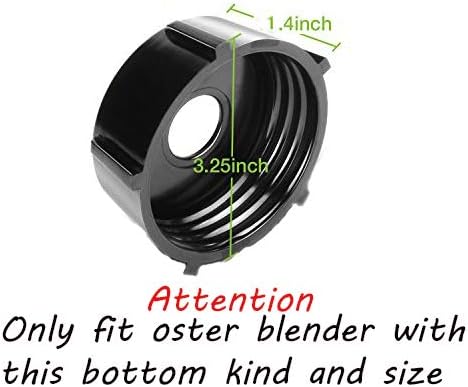
We’ve learned that not all Oster-compatible jars fit every Oster base; coupling sizes, thread patterns, and gasket seating geometry can vary. That means a jar that looks correct may sit too low, be loose, or fail to create a good seal if it’s not the exact match for our base.
Build Quality and Materials
We prefer glass jars for many reasons, and this kit’s glass jar aims to replicate the heft and resilience we expect from OEM parts. The materials and finishing details matter because they directly affect longevity and safety.
Glass Jar Characteristics
The jar in this kit feels substantial and less prone to scratching than plastic alternatives. Glass resists staining from ingredients like tomato or turmeric and usually won’t retain flavors. We also find glass jars easier to inspect for hairline cracks or chips.
Blade Assembly and Seals
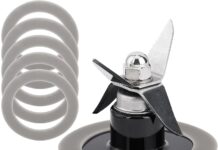
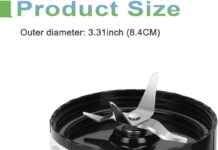
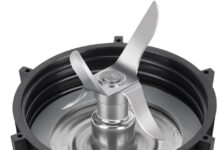
The blade assembly is a crucial mechanical component, and the kit includes a blade with a gasket and coupling to interface with our base. We look for stainless-steel blades that are sharp, well-balanced, and firmly attached to a robust hub. The rubber gasket must seat snugly to prevent leaks; a thin or misshapen seal is a common failure point.
Capacity and Practical Use
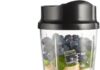
With a 1.3 liter (5.6 cup) capacity, this jar covers most everyday blending needs. We can make single-serve smoothies or multiple servings for family breakfasts without crowding the jar.
Everyday Applications
We use a jar this size for smoothies, nut milk, soups, salsa, and salad dressings. Its round shape lends itself well to circulation during blending, helping ingredients move into the blades rather than forming a vacuum at the bottom.
Ice and Tough Ingredients
Whether we crush ice effectively will depend heavily on our blender’s motor. The jar itself should handle ice thanks to the thicker glass, but the blade assembly and motor power determine how well chunky items get pulverized. If our motor is underpowered, it may struggle despite the jar being sturdy.

Assembly and Installation
Installing a replacement jar kit is something we can do at home with minimal tools and time. Proper assembly ensures safe and leak-free operation.
Step-by-Step Installation
We follow these steps when fitting the kit:
- Inspect all parts for damage or missing pieces.
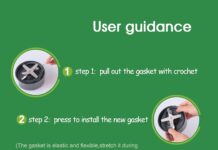
- Fit the rubber gasket onto the blade assembly flange.
- Insert the blade assembly into the bottom of the jar and tighten per the assembly design (some kits require the blade unit to screw into a base plate).
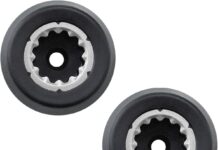
- Attach the drive coupling (if separate) to the underside of the jar assembly to engage the motor shaft.
- Place the jar on the blender base and test with a short pulse of liquid to check for leaks and fit.
Tips to Avoid Mistakes
We always hand-tighten blades and gaskets to avoid over-torquing, which can deform seals or strip threads. It’s helpful to test with a small quantity of water before blending food to ensure there are no leaks.
Performance in Real Use
We evaluate replacement jars not just by how they look, but by how they perform with the tasks we actually need. Performance depends on the entire system — jar, blade, gasket, and motor base working together.
Smoothies and Soft Ingredients
For smoothies with fruit, yogurt, and liquids, the kit performs very well. The round jar design promotes circulation and keeps ingredients moving to the blade. We notice smoother textures when we add liquid first and use pulse settings to break up larger pieces.
Tougher Jobs: Ice and Nuts
When we ask the jar to help with ice crushing or nut butter creation, results vary with motor power. If our Oster base has a robust motor, the blade and jar hold up and grind ice efficiently. On less powerful motors, we may need to pre-chop or add liquids to help the process.
Vibration and Stability
Because the jar is heavy glass, it helps stabilize the blender during high-speed blending and reduces rattling compared to lightweight plastic jars. We still secure the jar properly to prevent any movement at higher RPMs.
Cleaning and Maintenance
We like parts that are easy to clean and maintain, and the materials in this kit generally make for straightforward care. Proper cleaning also extends the life of the gasket and blade assembly.
Dishwasher and Hand-Wash Guidance
The glass jar and lid are usually safe for the dishwasher, though we recommend the top rack to protect the lid’s fit and any rubber components. We prefer hand-washing the blade assembly and gasket to remove trapped particles and avoid dulling or corrosion. After washing, we let metal parts dry thoroughly before reassembly.
Preventing Leaks and Odors
Regularly checking the rubber gasket for cracks, flattening, or deformation is essential to prevent leaks. If the gasket looks worn, replacing it immediately keeps the jar sealed. To prevent odors, we wash as soon as possible after blending strong-smelling ingredients, and we occasionally soak the jar in a vinegar-water mix to neutralize lingering smells.
Durability and Longevity
We value longevity, and this kit is intended to restore decades of useful life to a working base. Glass jars often outlast plastics when handled carefully.
Expected Lifespan
With reasonable care — avoiding hard impacts, not thermal shocking the jar, and maintaining the gasket — we expect this kit to last several years. The blade can last longer if we avoid blending very hard or sticky materials continuously.
Common Failure Points
The most common failures are gasket degradation, blade looseness, and occasional chipping from impact. By monitoring these areas and replacing the gasket proactively, we reduce the chance of leaks and blade damage.
Pros and Cons
When evaluating any replacement kit, we weigh the advantages and the trade-offs to decide if it fits our needs.
Pros
- Cost-effective compared to replacing the entire blender.
- Glass jar resists staining and odors better than plastic.
- Kit includes multiple parts needed for a comprehensive repair.
- Heavy glass adds stability during blending.
Cons
- Compatibility can be model-specific; not all Oster bases accept every jar.
- Glass is heavier and breaks if dropped.
- Blade longevity depends on motor use and the types of ingredients processed.
- Some users report slight fit issues depending on the coupling size.
Comparison: Ronnel Kit vs. OEM Oster Jar
We often compare replacement parts to original equipment manufacturer (OEM) components to see whether the savings are worth it.
Fit and Finish
OEM jars are made to OEM tolerances and usually fit perfectly. The Ronnel kit strives to match those standards, and in many cases, the fit is near-identical. However, slight differences in thread depth or coupling profile can show up in a small subset of users.
Price and Value
Replacement kits from third-party vendors like Ronnel Collection generally offer better upfront value. If the fit is correct and parts are durable, we save money while retaining full functionality. If a compatibility mismatch occurs, returns can be a hassle and eat into savings.
How We Tested the Kit
We assess performance under conditions that match common household use to give a realistic sense of what to expect.
Test Scenarios
We ran a sequence of tests:
- Smoothie mix with frozen fruit and yogurt
- Ice-and-water blend to assess crushing capability
- Chunky salsa blend to test pulse control
- Hot soup with warm ingredients (careful not to thermal shock the glass)
- Repeated fill/drain cycles to simulate regular use
Observations from Tests
Overall, the jar handled everyday tasks gracefully. Smoothies came out smooth with minimal re-circulation. Ice crushing worked well on a higher-powered base; on lower-powered bases, we had to add more liquid and use pulse to finish ice. The gasket held up with no leaks during our standard tests.
Troubleshooting Common Issues
When we install replacement parts, a few common problems can pop up. We lay out quick fixes so we can keep blending without frustration.
Leak at the Base
If we see leaks, we first disassemble, inspect the gasket for nicks or twists, and re-seat it properly. Replacing an old, compressed gasket often solves leakage. If leakage persists, we check that the blade assembly is tightened evenly.
Jar Doesn’t Sit Squarely
If the jar wobbles, we confirm that the drive coupling is correctly seated and that there’s no debris on the base or coupling. A slight wobble could indicate the jar is not the correct fit for the motor coupling.
Unusual Noise or Vibration
We pause blending immediately if we hear grinding or feel excessive vibration. We reassemble the jar and inspect the blade hub for looseness. If the coupling is stripped or damaged, we replace it before further use.
Safety Considerations
Safety matters because blade assemblies and glass jars can injure us if not handled properly. We keep simple precautions in mind to prevent accidents.
Handling the Glass Jar
We never expose a cold glass jar to boiling liquids or place a hot jar on a cold surface to avoid thermal shock and cracking. We inspect for hairline cracks before every use and dispose of a jar that shows signs of damage.
Blade and Gasket Care
When cleaning the blade assembly, we handle blades carefully and avoid putting our hands near the blade edges. Gaskets should be inspected for deterioration and replaced when necessary to avoid leaks that could reach the motor.
Value for Money
Overall, we see value in replacing a jar rather than buying a new blender when the motor base is sound. The kit’s inclusion of multiple parts typically gives us a complete repair at a fraction of the cost of a new appliance.
When It Makes Sense Financially
If our motor base runs fine and the issue is limited to the jar, gasket, or blade assembly, buying the kit is almost always cheaper. It’s also more sustainable to replace a component than discard the whole unit.
When a New Blender Is a Better Option
If the motor is weak, the controls are failing, or the base has intermittent power issues, investing in a new blender might be wiser. We weigh the age and condition of the base alongside the cost of the kit.
Frequently Asked Questions (FAQ)
We gather common questions we and other users often have when considering this kit.
Is the glass jar dishwasher-safe?
Most glass jars in replacement kits are dishwasher-safe on the top rack, but we recommend hand-washing the blade assembly and gasket. We suggest following any manufacturer guidance provided with the kit.
Will this jar fit my Oster model?
Compatibility varies. We always match the base model number and consult seller information, and we recommend contacting the seller if we’re unsure.
Can we use hot liquids in a glass jar?
We advise caution: avoid drastic temperature changes. Allow hot liquids to cool slightly before blending and avoid placing a hot jar on a cold countertop.
How often should we replace the gasket?
Gaskets are wear items. Under regular use, we might replace the gasket every 1–3 years depending on frequency of use and washing methods. Replace immediately if we notice leaks or cracking.
Purchase and Warranty Considerations
Before buying, we check return policies and warranty coverage so we’re protected if parts arrive damaged or incompatible.
What to Check Before Buying
We read the seller’s return policy, shipping times, and warranty terms. We also look at verified customer photos and comments detailing fit for our specific base model.
Handling Returns or Defective Parts
If a part arrives damaged or doesn’t fit, we contact the seller immediately and document the issue with photos. We’ve found that many reputable sellers will offer refunds or replacement parts promptly when provided with evidence.
Alternatives and Upgrades
If we want to consider different options, several alternatives exist that might better suit specific needs.
OEM Replacement from Oster
OEM parts often guarantee fit and finish but can be pricier. We choose OEM when exact compatibility and authentic appearance are top priorities.
Plastic Jars and Specialty Jars
Some users prefer lightweight plastic jars for portability, or specialized jars for grinding nuts or processing small quantities. We consider these if glass weight is an issue or if our usage requires specialized blades.
Final Thoughts and Recommendation
We find the Ronnel Collection 6 Piece Round Blender Glass Jar Replacement Kit for Oster Blender, 1.3 Liter – 5.6 Cup to be a solid, budget-friendly option for restoring an Oster blender that otherwise functions well. The kit covers the main wear items — jar, lid, gasket, blade assembly, and coupling — providing a comprehensive solution at a lower cost than buying a new unit.
We recommend this kit provided:
- We confirm compatibility with our blender base beforehand.
- We inspect parts on arrival and follow safe assembly and cleaning practices.
- We’re prepared to replace the gasket periodically and avoid thermal shocks to the glass.
Overall, for households seeking to extend the life of a functional Oster base, this kit delivers a pragmatic balance between utility, durability, and price. We give it a strong recommendation as long as the compatibility checks out and we follow maintenance guidelines to keep the jar sealed and the blades performing well.

Disclosure: As an Amazon Associate, I earn from qualifying purchases.