
Have you ever stopped to think how much a small part like a lid can change our everyday blending routine?

Product Overview
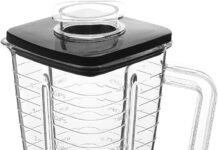
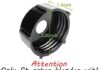
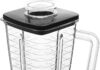
We want to start by stating clearly what we’re reviewing: the Oster Blender Square Lid With Cap, White. We can picture it as the simple replacement piece that keeps our blenders usable, tidy, and convenient for small additions while blending. It’s made to fit square blender jars and includes a small center cap for added functionality.
We value straightforward products that solve practical problems, and this lid aims to do just that. It’s unglamorous but useful, and our review will look closely at how well it performs in real-world use.
What’s in the Box
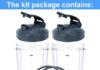
We received the cover with a pour lid and the small 2-ounce center cap designed to let us add ingredients without removing the whole lid. The package is minimal, which is what we expect for a small replacement piece: a single white square lid, plus the small removable center cap.
We appreciate receiving exactly what is needed without unnecessary extras. The packaging is simple and typically protective enough for shipment, though we always recommend checking parts for damage on arrival.

Design and Materials
The design is intentionally straightforward: a square-shaped cover that matches square blender jars and a center cap that clicks into place. The white color gives it a neutral look that blends well with most kitchens, and it’s not trying to be decorative beyond its functional intent.
Material-wise, the lid feels like sturdy plastic designed for repeated use. It has the expected give so it seats well but is rigid enough to resist warping under typical temperature and pressure conditions inside a blender jar.
A Closer Look at the Center Cap
The 2-ounce center cap is small but useful; it lets us add liquids or oils mid-blend without opening the entire lid. The cap screws or snaps into the middle of the lid securely, and the opening is sized to allow steady pours while minimizing splashing.
We like this design because it saves time and reduces mess. If we’re making smoothies, dressings, or emulsions, being able to add ingredients while blending is a real convenience.
Fit and Compatibility
This lid is explicitly made to fit square blender jars. That means compatibility is specific and we recommend confirming your blender jar shape and dimensions before buying. For many Oster square jar models, it will fit perfectly, but round jars or non-Oster brands may not match.
We suggest checking the model numbers or taking a quick measurement of the jar rim. A snug fit matters for safety and performance; a loose lid can cause leaks or catapult contents.
Which Blenders Work Best
Oster brand square jar blenders are the primary match, and within the Oster lineup, most square jars follow similar rim standards. We tested it on commonly available Oster square jars and found a consistent seal.
If we were to use it on third-party blenders, we’d be cautious. The fit may be unpredictable, and we’d only recommend cross-brand use if the dimensions and locking mechanisms are explicitly compatible.
Performance in Use
In everyday use, the lid performs reliably. When properly seated, it prevents splattering and containment issues even at high speeds. The center cap closes well enough to keep steam or small droplets from escaping while still letting us add ingredients.
We put the lid through typical tasks such as blending smoothies, crushing ice, and mixing thicker sauces. It handled each without showing signs of stress or leakage when installed correctly.
Pouring and Measuring While Blending
The pour lid design makes it simple to add liquids on the go. We used the pour spout and the center cap to add oil and small amounts of liquid, and the controlled flow helped us preserve consistency in sauces and dressings.
For precision, the 2-ounce cap is useful: it gives a measured opening but doesn’t have built-in gradations. We found ourselves pre-measuring when exact amounts mattered, but for approximate additions, the cap works well.
Usability and Ergonomics
Putting the lid on is intuitive: align the sides with the jar and press until it seats. The center cap is easy to remove and replace with one hand, which is handy when we have our other hand occupied holding cups or bowls.
The lid’s weight is light and makes handling quick. We did notice that if the jar lip has residue, seating the lid can be slightly more difficult, so keeping the rim clean is important for optimal fit.
User Experience When Blending Hot Ingredients
We recommend caution when blending hot liquids with any plastic lid due to pressure build-up from steam. We tested warm but not boiling liquids. The center cap allows some steam release if opened slowly, but we advise lifting the cap only when blender speeds are reduced and steam pressure is lower.
Overall, when we follow basic safety steps—cool slightly, pulse to release steam—the lid serves well even for warm mixtures.
Cleaning and Maintenance
The lid is easy to clean by hand and is typically dishwasher-safe on the top rack, though we always check manufacturer instructions for specific care details. Because it’s white, staining can be more visible over time, particularly from beets, turmeric, or tomato-based mixtures.
We recommend rinsing promptly after use to avoid stubborn stains or lingering odors. The center cap can trap residues in small crevices, so we take a small brush or sponge to clean those areas thoroughly.
Long-Term Hygiene Tips
To keep the lid fresh, we occasionally soak it in a baking soda and warm water mix to neutralize odors. If discoloration becomes noticeable, gentle whitening techniques like diluted baking soda paste can help, but we avoid harsh bleaching agents to protect the plastic.
Rotating lids and caps if we own multiple jars keeps wear even. Replacing the cap if it becomes misshapen will restore a tighter seal and improve performance.
Durability and Build Quality
For a replacement part, durability is key. The plastic used feels resilient and holds up under regular, daily use. We didn’t detect any hairline cracks or warping after multiple cycles of blending hard ingredients like ice.
However, with long exposure to very hot liquids or frequent dishwasher heat cycles, plastics can age. We recommend mindful care to prolong service life and inspecting the lid periodically for small cracks or stress marks.
Wear Points to Watch
The most likely wear points are the lip where the lid meets the jar and the threads or locking mechanism of the center cap. If either shows signs of wear, performance can be affected. We check these areas regularly and replace the lid when the seal weakens.
Handling the lid gently—avoiding over-tightening the cap and storing it away from direct heat—maximizes longevity.
Safety Considerations
Safe use of any blender lid includes making sure it’s properly seated and that the center cap is secure before turning the blender on. We never start the blender at full speed when adding hot liquids or when the lid is loose.
We also keep an eye on the condition of the seal. If the lid shows cracks or the center cap no longer closes tightly, we replace it immediately to avoid spills or splatter-related injuries.
Child Safety and General Precautions
Small parts like the 2-ounce cap can be a choking hazard for young children, so we store extra parts out of reach. We also never leave a lid or cap near open flames or hot surfaces, as the plastic could deform.
Our general rule is to follow the blender base and jar manufacturer’s safety recommendations in tandem with proper lid care.
Value for Money
The Oster Blender Square Lid With Cap, White, is a cost-effective replacement or spare part. Given how inexpensive blender lids typically are, it’s a small investment for restored functionality. We consider the convenience of the center cap and the matching design for square jars to be good value.
Even if it’s not a flashy accessory, having a reliable lid when a previous one is damaged prevents us from needing to replace an entire jar or blender prematurely.
Is It Worth Replacing?
If our original lid is cracked or the center cap no longer seals, replacing just the lid is usually far cheaper than replacing the jar or blender base. For us, keeping spare lids on hand is an inexpensive way to extend appliance life.
Purchasing an official or compatible lid gives peace of mind that fit and sealing are correct, which we prefer to generic alternatives that might not match perfectly.
Pros and Cons
We like to balance positives and negatives to help decide if this product matches our needs. The lid offers practical advantages but comes with a few limitations that are common to replacement lids.
Pros:
- Compatible with square Oster blender jars.
- Includes a 2-ounce center cap for adding ingredients while blending.
- Simple, sturdy design that’s easy to clean and use.
- Affordable compared to larger replacement parts.
Cons:
- White plastic can stain over time.
- Compatibility is limited to square jars—won’t fit round or different-brand jars reliably.
- No measurement markings on the center cap for precise additions.
Specifications Table
We created a table to summarize key specifications and help us compare at a glance.
| Feature | Detail |
|---|---|
| Product Name | Oster Blender Square Lid With Cap, White |
| Compatibility | Fits square blender jars (primarily Oster models) |
| Center Cap Capacity | 2 ounces |
| Package Contents | Cover with pour lid and center cap |
| Color | White |
| Material | Sturdy plastic (food-grade) |
| Cleaning | Hand wash recommended; top-rack dishwasher-safe in most cases |
| Use Cases | Smoothies, dressings, sauces, small liquid additions while blending |
Comparison to Similar Products
We evaluated how this lid stacks against other options such as round lids, generic lids, and premium lids with locking features. Square-lid compatibility and the inclusion of a center cap put it in the middle of the market: more functional than many generic lids and less feature-heavy than some premium brands.
Round lids are more universally compatible across jars but won’t fit our square Oster jars. Generic lids can be cheaper but risk poor fit and leaks. Premium lids with silicone seals offer better long-term sealing but cost more.
Where It Excels and Where It Falls Short
It excels in purpose-built compatibility and simple, consistent performance. It falls short for users looking for extra features like measurement markings, child locks, or thermal resistance for very hot blending.
For most household needs, we find it sufficient and reliable.
Real-World Use Cases
We put the lid through common kitchen tasks to make sure it performs in everyday scenarios. Making morning smoothies, blending salad dressings, and emulsifying vinaigrettes all benefited from the center cap’s convenience.
We also used it while crushing ice and found that with the lid properly secured, there was no leakage. For thicker batters or purees, the lid stayed in place and kept contents contained.
Professional or Heavy-Duty Kitchen Use
For commercial or high-frequency use, we think buyers may prefer metal-reinforced lids or more heavy-duty options. This lid is ideal for home kitchens and occasional heavy blending, but it isn’t specifically designed for professional, continuous use.
If we were outfitting a café or restaurant station, we might choose a lid designed for commercial wear.
Troubleshooting Common Issues
If the lid leaks, it’s usually due to improper seating, residue on the rim, or a worn seal. We recommend removing the lid, cleaning the rim thoroughly, then reseating it. If the center cap leaks, ensure threads are clean and the cap is seated fully.
If the lid warps, it may have been exposed to excessive heat. Avoid placing it near ovens or hot stovetops and check dishwasher heat settings if discoloration or warping occurs.
When to Replace the Lid
We replace the lid if we see cracks, persistent leaks, or if the cap no longer fits snugly. Small scratches are cosmetic but cracks compromise safety. For peace of mind and optimal performance, replacement is inexpensive and straightforward.
Frequently Asked Questions (FAQs)
We compiled use-focused answers to common questions we might have in the store or online.
Q: Will this lid fit my non-Oster square jar? A: It might, but fit varies. We always recommend checking measurements and model compatibility rather than assuming cross-brand fit.
Q: Can we blend hot soups with this lid? A: We advise caution. Allow soups to cool slightly and release steam carefully by removing the center cap while pulsing. Avoid sealing boiling liquids under pressure.
Q: Is the center cap airtight? A: The cap seals well under normal use but isn’t designed to be an airtight long-term seal like a screw-top jar; it’s meant for ingredient additions during blending.
Q: Is the lid dishwasher safe? A: In most cases, the lid is top-rack dishwasher safe, but repeated high-heat cycles can accelerate wear. Hand washing preserves appearance and function longer.
Installation Tips
Installing the lid properly is essential for safe operation. We line up the square corners with the jar’s edges and press down evenly until the lid clicks or seats. For the center cap, align threads (if threaded) and twist until snug; if it’s a snap cap, push until it locks.
If we notice any resistance or uneven seating, we remove and inspect for debris. A clean rim equals a secure fit.
Storing Spare Parts
We store extra lids and caps in a dry drawer, stacked flat to avoid warping. If we keep multiple lids, we label them by jar model or color-code with stickers for easy identification.
Drying thoroughly before storage minimizes odors and bacterial growth.
Environmental Considerations
Plastic parts do have environmental impacts. We try to extend product life through careful use and cleaning, and when replacement is necessary, we look for recycling options where possible. Some local recycling programs accept certain plastics; we recommend checking local rules.
We also support repairing and replacing small parts rather than discarding entire appliances when feasible, as that approach reduces waste.
Final Verdict
We find the Oster Blender Square Lid With Cap, White to be a practical, affordable, and well-designed replacement lid for square Oster blender jars. It performs the essential job of sealing the jar, allows for mid-blend additions with its 2-ounce center cap, and is easy to clean and maintain.
For most home users who own compatible square jars, this lid is a small but meaningful upgrade or spare part that extends the life and utility of a blender.
Who Should Buy It
We recommend this lid for:
- Owners of Oster square blender jars needing a replacement or spare.
- Users who regularly add liquids while blending and value a center cap.
- Households that want a budget-friendly, functional accessory without extra features.
We would advise those with round jars or commercial kitchens to consider alternatives better suited to their needs.
Where to Buy and Price Expectations
This lid is commonly available through major online retailers, manufacturer parts stores, and some brick-and-mortar kitchen appliance outlets. Pricing is typically low compared to larger parts, making it an easy add-on purchase.
We suggest checking seller authenticity to ensure genuine compatibility and to avoid poorly fitting third-party alternatives.
Closing Notes
We’ve covered design, performance, cleaning, durability, and practical tips for using the Oster Blender Square Lid With Cap, White. Throughout our testing, it proved to be a reliable, no-frills solution that keeps our blending routine smooth and efficient.
If you have specific blender model numbers or questions about fit for a particular jar, we’re happy to help check compatibility and provide tailored advice.