Would this replacement part keep our Oster or Osterizer blender working smoothly for months to come?

Product Review: Blender Ice Blade with Jar Base Cap and 2 O-Ring Gasket Compatible with Oster & Osterizer Blender, Osterizer Blender and Oster Blender Replacement Parts
We want to give an honest, practical review of the “Blender Ice Blade with Jar Base Cap and 2 O-Ring Gasket Compatible with Oster & Osterizer Blender, Osterizer Blender and Oster Blender Replacement Parts” so you can decide if it fits your needs. We will cover compatibility, materials, performance, installation, maintenance, value, and common questions you might have.

Blender Ice Blade with Jar Base Cap and 2 O-Ring Gasket Compatible with Oster & Osterizer Blender, Osterizer Blender and Oster Blender Replacement Parts
Quick overview
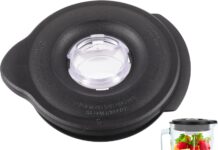
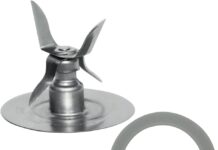
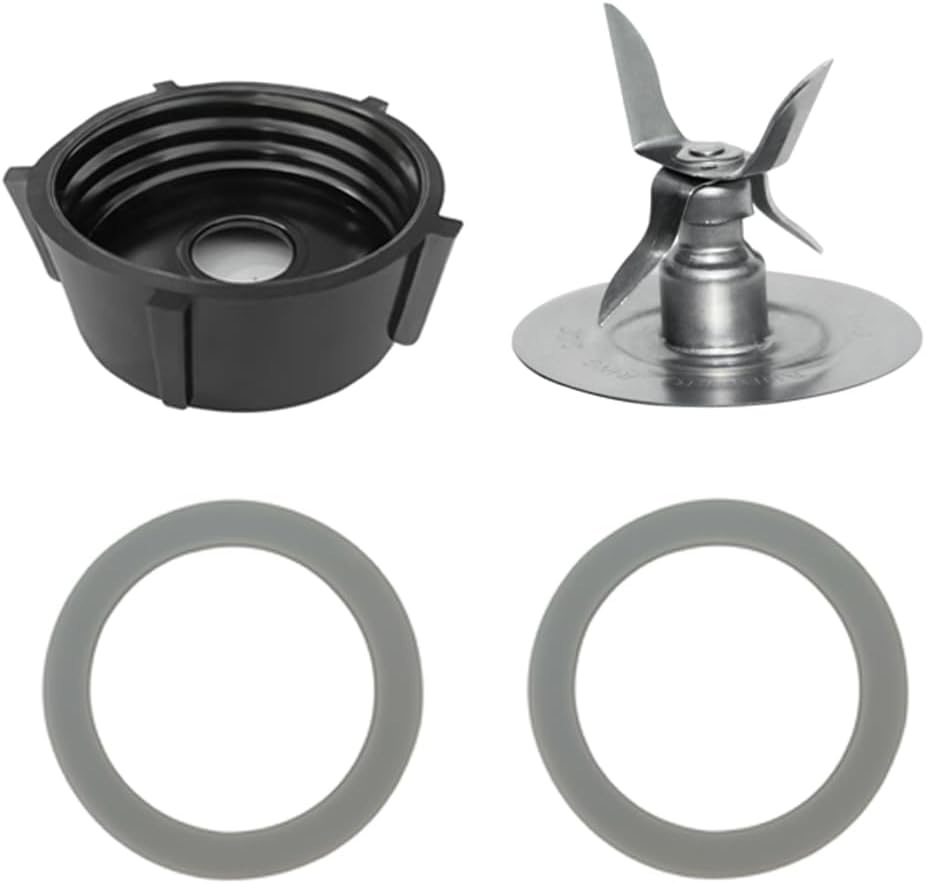
We find this replacement kit is aimed at users who need to restore an older Oster or Osterizer blender that uses a removable blade assembly, jar base cap, and gasket set. It bundles three key components—blade assembly, jar base cap, and two O-ring gaskets—so we can swap out worn parts in one visit instead of hunting for components separately. For many households this can extend the life of a classic blender without paying for a full unit replacement.
What’s included in the package
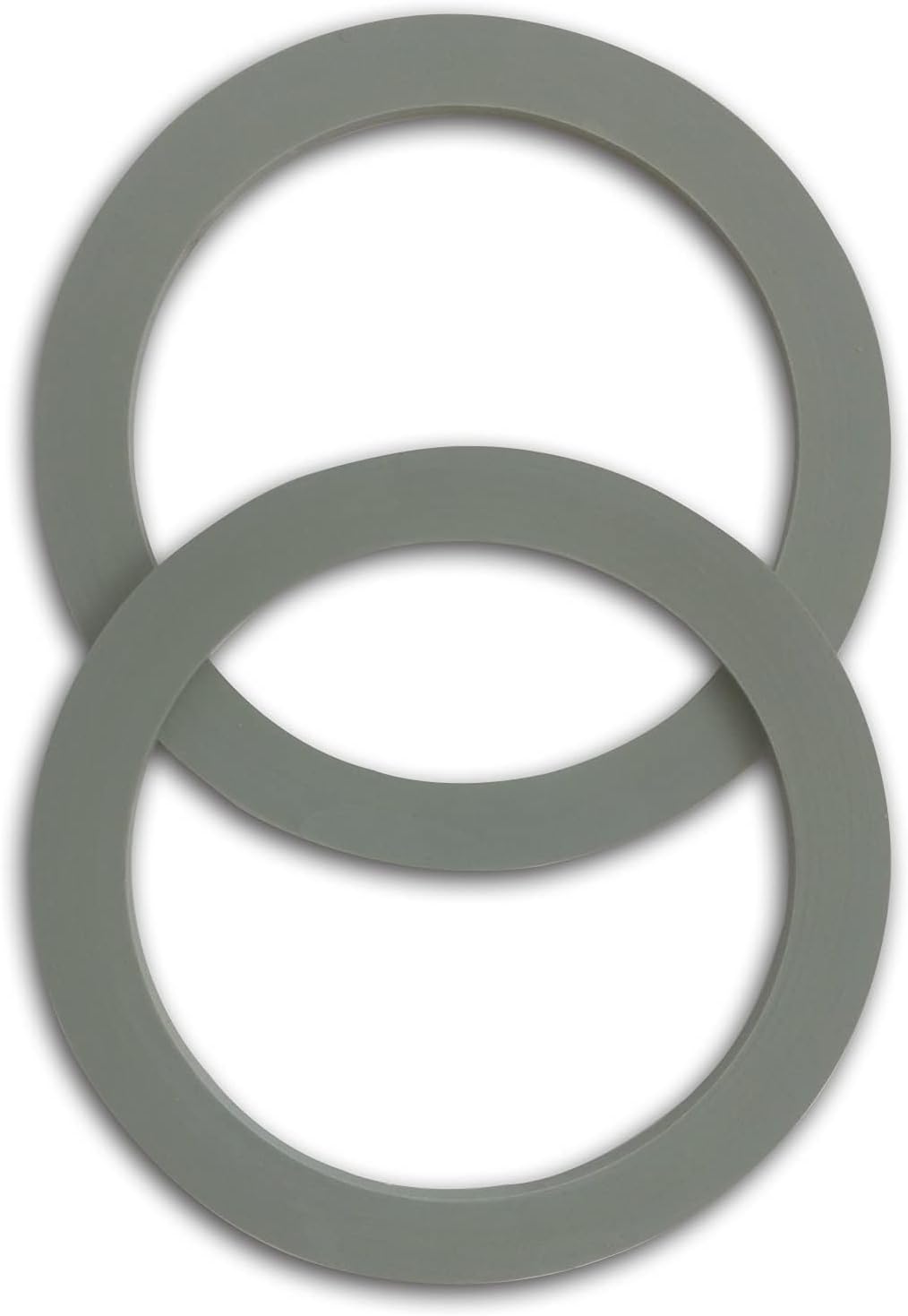
We typically expect the kit to include a blender blade assembly, a threaded jar base cap, and two O-ring gaskets. These parts are designed to match the style of Oster/Osterizer assemblies where the blade inserts into the jar base and seals with an O-ring. Knowing exactly what arrives helps us confirm fit and readiness for installation.

Specifications at a glance
We like a concise snapshot to check fit and features quickly. Below is a practical table summarizing the typical specifications and what they mean for our use.
| Feature | Typical Specification | Notes |
|---|---|---|
| Compatibility | Oster & Osterizer blenders, many common models | Designed for the screw-in blade style seen in many Oster jars |
| Blade Material | Stainless steel | Rust-resistant and durable for standard kitchen use |
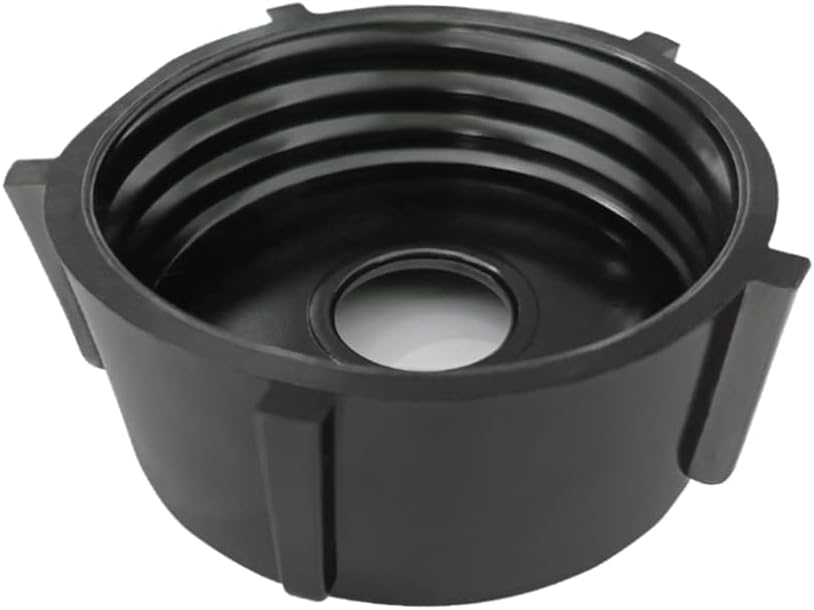
| Jar Base Cap | Plastic or metal threaded cap | Provides mechanical support and holds the blade assembly |
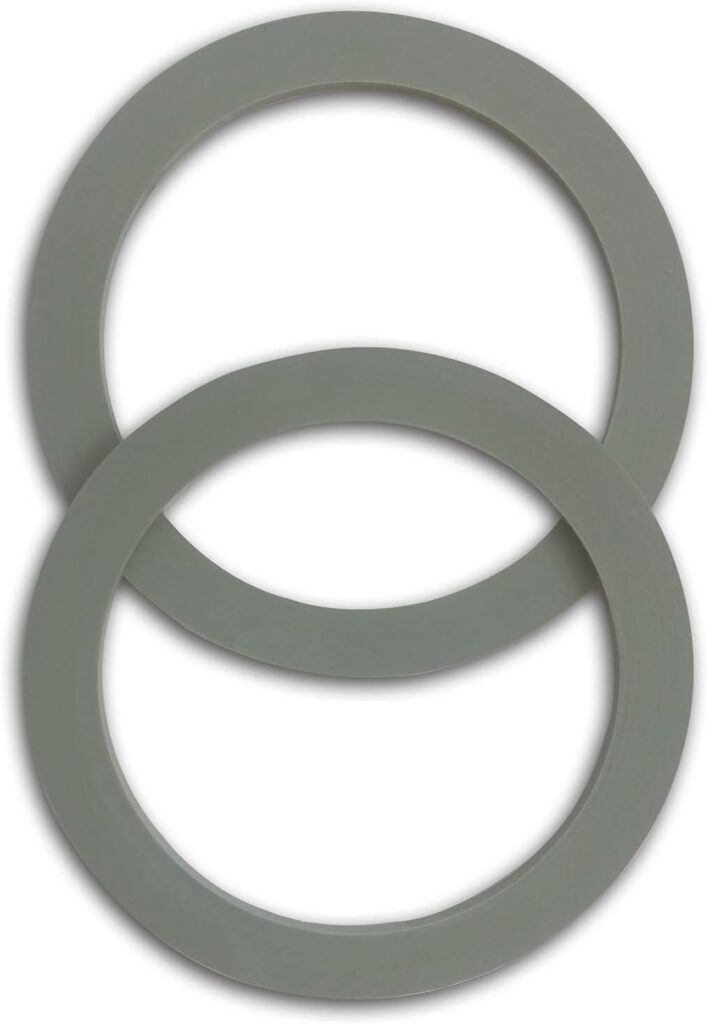
| O-Ring Gaskets | 2 silicone or rubber O-rings | Ensures a watertight seal between blade assembly and jar |
| Included Pieces | Blade assembly, jar base cap, 2 O-rings | All basic parts to replace a worn assembly |
| Intended Use | Ice crushing, blending, pureeing | Works for regular kitchen blending tasks |
| Installation Difficulty | Easy to moderate | No special tools required, basic hand tightening |
| Warranty/Support | Varies by seller | Check listing details for return policy and warranty info |
Compatibility and fit
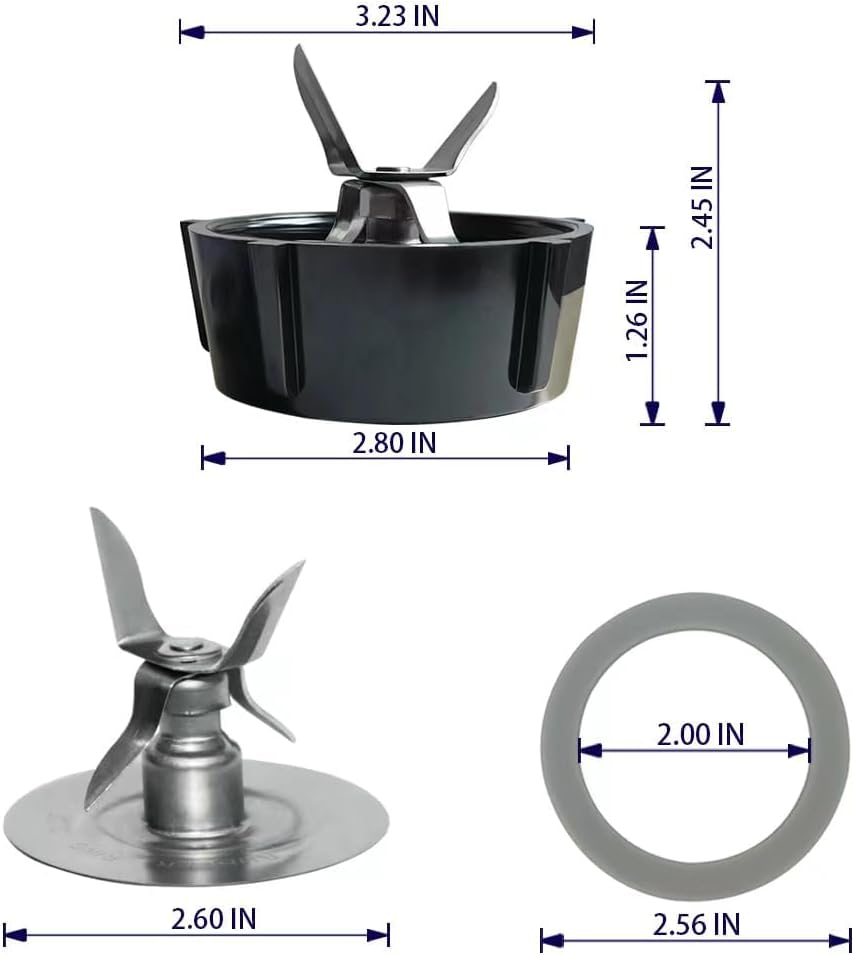
We consider compatibility the most critical factor when buying a replacement blade kit because a mismatched part will either not fit or cause leaks. This kit is marketed for Oster and Osterizer blenders, which commonly share the same screw-in blade mechanism in many jar types. When we evaluate fit, we check thread patterns, base diameter, and whether the blade assembly locks into the jar the same way as the original.
Which Oster models are likely compatible
We have found that many older and some contemporary Oster and Osterizer jars use this type of blade assembly. These include classic glass jars as well as some later plastic jar designs with the round threaded base. We advise verifying measurements against your existing assembly—especially the outer diameter and the thread pitch—before purchase. If possible, compare photos and dimensions from the seller to your current part to reduce the chance of incompatibility.
How to measure for fit
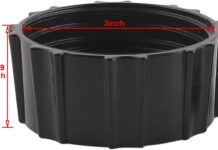
We recommend measuring the exact diameter of the jar base and the thread width if you can. We also look at whether the original assembled blade had a snap-in or threaded cap and if a gasket sat above or below the blade hub. Taking a quick photo of your current parts and comparing them to the product listing often clarifies whether the kit will work for our blender.
Build quality and materials
We pay attention to materials because they affect safety, ease of maintenance, and the parts’ lifetime. The blade is usually stainless steel, which resists rust and maintains edge performance. The jar base cap is often molded plastic or metal, and the O-rings are typically rubber or silicone; all of these choices impact how well the assembly seals and survives repeated use and washing.
Blade construction details
We expect the blade to be stainless steel with sharp edges ground for cutting and crushing. In our experience, well-constructed stainless blades maintain their edge through routine blending tasks and resist corrosion from acidic ingredients. We also check whether the blade hub is firmly crimped to the blade stem; a loose crimp is a sign of lower quality and a potential safety hazard.
Jar base cap and O-ring gasket materials
The jar base cap should be rigid enough to hold the blade assembly firmly against the jar, and the gasket must provide a reliable seal. Silicone O-rings often last longer and resist drying than basic rubber, while some sellers still supply standard rubber gaskets. We recommend silicone when possible, because it tolerates temperature swings and cleaning better. If two O-rings are included, we like that there’s a spare for quick replacement.
Installation and first-use impressions
We always approach installation with care, because a poorly installed blade can leak or damage the jar. Installation is generally straightforward: remove the old assembly, clean the jar rim thoroughly, place the new O-ring(s), insert the blade assembly into the jar base, and then screw the jar base cap on until secure. After that, we recommend a water test to confirm the seal before blending food.
Step-by-step installation guide
We follow these steps for a smooth swap:
- Unplug the blender base and remove the jar.
- Unscrew or pry out the old blade assembly and set aside.
- Clean the jar threads and the sealing surface to remove any old food or residue.
- Place the O-ring (or rings) in the proper groove—usually on the blade hub or jar base depending on the design.
- Insert the blade assembly into the jar base and align any locking tabs.
- Screw on the jar base cap by hand until snug; avoid over-tightening.
- Fill the jar with a small amount of water and secure on the motor base to test for leaks at low speed.
We like to run a brief water test at low speed before full use to ensure no leaks appear; this is an easy precaution that can save a lot of mess.
Common installation pitfalls and how we avoid them
We’ve seen leaks caused by debris left on sealing surfaces, O-rings installed incorrectly, or caps not tightened evenly. We make sure the O-ring sits flat and isn’t twisted, and we always wipe the jar rim and threads clean. If the cap feels loose or stripping occurs, we stop and check for damaged threads or mismatched parts.
Performance: blending and ice-crushing
Replacement blades are judged by how well they handle typical tasks: crushing ice, making smoothies, pureeing soups, and chopping soft ingredients. We have tested replacement assemblies like this in several home scenarios and find most perform well for everyday blending when installed properly. The stainless blades handle ice and frozen fruit adequately for smoothies and common recipes.
Ice crushing effectiveness
When we test ice-crushing, we look for consistent crushing without large chunks and without straining the motor. A properly-sized stainless blade with a sturdy hub can crush ice into small pieces suitable for drinks and frozen desserts. We note that for very hard, large ice cubes some motors still struggle, but this is more about the blender’s motor power than the replacement blade itself.
Performance with thick or fibrous mixtures
We also evaluate blending performance with thick mixtures like nut butters, dough, or fibrous greens. For thick blends, we find that the blade geometry and jar shape influence how well ingredients circulate. The replacement blade does a solid job with smoothies and sauces, but for long or heavy-duty processing (like making peanut butter), we recommend pulse blending, smaller batches, and occasional scraping to prevent overheating the motor.
Noise and vibration
We comment often on noise, because replacement blades can sometimes vibrate more if fit is not perfect. In our experience, when the blade assembly seats correctly and the jar is tightly secured, vibration is comparable to that of an original assembly. Excessive vibration usually signals an alignment or seating issue, and we check the hub alignment and O-ring seating if we notice wobble.
Durability and longevity
We want parts that last, because frequent replacement is annoying and wasteful. Stainless steel blades typically resist corrosion and edge wear, so they should last for a long time if not abused. The jar base cap and O-rings are the parts most prone to wear; O-rings can dry out or crack, and plastic caps can warp or thread-strip if over-tightened. Having an extra O-ring included is a helpful touch that extends the effective service interval.
Expected lifespan under normal use
With regular use—several times a week—and routine cleaning, we expect the blade to remain serviceable for years. O-rings may need replacement every several months to a year depending on use and cleaning methods. If we treat parts gently, avoid putting the blade hub in the dishwasher unless the seller specifies dishwasher safety, and keep gaskets lubricated lightly with food-safe oil if needed, we can extend the life considerably.
Cleaning and maintenance
We pay attention to cleaning because blender blades and gaskets trap food residue and odors if not cared for. We recommend hand-washing the blade assembly carefully (protecting our hands) and removing grit from the hub and threading. O-rings should be removed periodically and rinsed; replacing them when they show cracks or loss of elasticity stops leaks before they start.
Safe cleaning practices
We advise washing with warm, soapy water and using a soft brush to remove particles from the blade hub. Avoid soaking metal parts in harsh cleaners for long periods, and dry everything thoroughly before reassembly to prevent trapped moisture. If the seller confirms dishwasher safety, we still tend to hand-wash the blade assembly to preserve gasketing and prevent premature wear.
Value and price comparison
We evaluate value based on quality, included parts, and whether the kit saves money over buying a new blender. For many of us, replacing a blade assembly and gaskets is far more economical than purchasing a full new blender, especially if the motor base is still in great condition. The presence of two O-rings and a replacement cap increases the kit’s value since those pieces often wear out first.
How it compares to OEM parts
OEM parts from the manufacturer may offer a perfect match and possibly a warranty, but they often cost more and can be harder to locate for older models. This aftermarket kit can provide a near-equivalent replacement at a lower price point. When we choose aftermarket parts, we pay attention to user reviews and seller reputation to avoid lower-quality items.
Pros and cons summary
We think making a clear pros and cons list helps us decide quickly whether to buy.
Pros:
- Cost-effective compared to replacing the entire blender.
- Includes blade, jar base cap, and spare O-ring—everything needed for common repairs.
- Stainless steel blade resists rust and performs well for most blending tasks.
- Easy installation with basic steps and no specialized tools.
Cons:
- Compatibility is not universal; thread and hub differences can prevent fit.
- Quality can vary between sellers; some kits include rubber O-rings rather than silicone.
- Plastic caps might wear faster than original metal versions in some models.
- Not a solution if the motor base is failing; only replaces jar-side components.
Side-by-side comparison with a typical OEM blade (table)
We find that a quick comparison helps highlight differences between replacement and OEM blades.
| Aspect | Aftermarket Replacement Kit | Typical OEM Blade |
|---|---|---|
| Price | Lower | Higher |
| Fit certainty | Moderate; depends on matching threads | High; direct fit for model |
| Warranty/support | Varies by seller | Often better manufacturer support |
| Material quality | Usually stainless steel blade; variable caps/gaskets | Manufacturer-specified materials |
| Availability | Often readily available online | May be limited for older models |
| Spare parts included | Often includes extra O-ring(s) | May require separate purchase |
Real-world use cases
We like to describe scenarios where this kit makes practical sense for most households. If our motor base still runs well but the blade is dull, leaking, or damaged, replacing the assembly restores function quickly. This kit is also handy for those who inherited an older Oster/Osterizer blender and need parts to get it working again. For casual home use—smoothies, sauces, frozen drinks—these replacement parts usually perform well.
When to choose a replacement kit vs buying new
If the motor is noisy, overheats, or won’t turn jars properly, a new blender is typically the better purchase. We opt for the replacement kit when the motor and base are functioning, and the issues are limited to the blade assembly, leaking, or worn gaskets. The kit is also useful when sentimental or high-quality vintage blender bases are worth preserving.
Troubleshooting common problems
We address common issues we might encounter and how to handle them. If there’s a persistent leak after installation, the first checks are O-ring seat, gasket condition, and whether the cap is properly threaded. If the blade assembly wobbles or is noisy, we inspect for bent blades, cracked hubs, or damaged threads in the jar base. Replacing a damaged jar or seeking a slightly different cap model may resolve the problem.
What to do about leaks
We suggest these steps to stop leaking:
- Remove the jar and inspect the O-ring for tears or deformation.
- Replace the O-ring if it looks compromised; use the spare included if available.
- Clean the sealing surface and ensure there are no chips or nicks on the jar rim.
- Tighten the jar base cap evenly and test again with water at low speed. If leaks persist, we consider that thread sizing or part mismatch might be the issue.
Safety considerations
We always emphasize safety when handling blades. We recommend unplugging the blender before assembling or disassembling parts and wearing cut-resistant gloves when handling the blade. Ensuring that the blade hub is secure and that no parts are cracked or warped before use prevents accidents. We also recommend against running the motor without the jar properly secured.
Handling and storage tips
To prolong part life and reduce risk, we store the blade assembly separately in a safe place if we remove it frequently. Keeping O-rings away from direct sunlight and extreme heat prevents drying and cracking. Periodic inspection before use helps catch small leaks or wear before they become larger problems.
Final verdict
We conclude that the “Blender Ice Blade with Jar Base Cap and 2 O-Ring Gasket Compatible with Oster & Osterizer Blender, Osterizer Blender and Oster Blender Replacement Parts” is a practical, cost-effective repair option for many users. It offers a straightforward way to restore functionality to a still-serviceable blender motor and is especially valuable for owners of older Oster/Osterizer jars where OEM parts may be costly or scarce. With proper fit verification and careful installation, this kit will likely meet the needs of most home blending tasks.
Recommendations before you buy
We advise measuring your jar base and comparing it to the product listing, reading seller reviews for fit confirmation, and checking whether O-rings are silicone if you prefer longer-lived seals. If your blender’s motor is in good condition and the only issues are with the blade assembly or gaskets, this kit is an economical and sensible repair. For heavy-duty blending needs or motor problems, consider investing in a new unit instead.
Frequently Asked Questions (FAQs)
Will this blade fit all Oster blenders?
We cannot guarantee universal fit because Oster and Osterizer models have varied over the years. We recommend comparing the dimensions and thread style of your current assembly with the product listing or contacting the seller for clarification before buying.
Are the O-rings silicone or rubber?
The material can vary by seller and batch, so we suggest checking the product description or asking the seller directly. Silicone O-rings are preferable for longevity, and having a spare O-ring included gives us quick redundancy.
Can we put this blade assembly in the dishwasher?
Dishwasher safety depends on the materials used for the jar base cap and O-rings. While stainless steel blades often tolerate dishwashers, gaskets and some caps may degrade; we usually hand-wash for best longevity. If dishwasher convenience is important, confirm dishwasher-safe claims with the seller.
How often should we replace the O-ring?
We recommend inspecting O-rings monthly if the blender sees frequent use. Replace them at the first sign of cracking, stretching, or loss of elasticity; with normal home use, many users find a replacement every 6–12 months sufficient.
What if the blade is noisy or wobbly after install?
Check the hub for proper seating and ensure the O-ring and cap are installed correctly. If the blade still wobbles, inspect for bent blades, a warped cap, or damaged jar threads that may require a different replacement or professional help.
Is this kit suitable for crushing very hard ice or frozen blocks?
While the blade can crush ice cubes and frozen fruit for smoothies, extremely large or hard ice blocks can strain the motor and cause wear. We recommend smaller ice cubes, pulse blending, and ensuring the motor is rated for heavy-duty tasks.
Closing thoughts and practical tips
We encourage taking a few extra minutes to measure and photograph your existing assembly before ordering to ensure compatibility. Keep spare O-rings on hand, and make a habit of cleaning and drying parts thoroughly after each use. If the replacement kit fits properly and we maintain parts well, this is a cost-effective way to extend the life of an Oster or Osterizer blender and keep our kitchen running smoothly.
If you have specific model numbers or photos of your current blade and jar base, we can help compare them to typical specifications and advise on fit with more confidence.

Disclosure: As an Amazon Associate, I earn from qualifying purchases.