Looking for a reliable replacement blade for our Osterizer blender that can handle ice and tough ingredients without leaking?

Product overview
We tested the Premium Blender Ice Blade, Compatible with Osterizer Blender and Oster Blender Replacement Parts Includes 1 Blender Gasket… and looked closely at build, performance, and everyday use. We wanted to know whether this aftermarket blade gives us the durability and sealing performance we need for smoothies, nut butters, and crushed-ice drinks.
What the product is
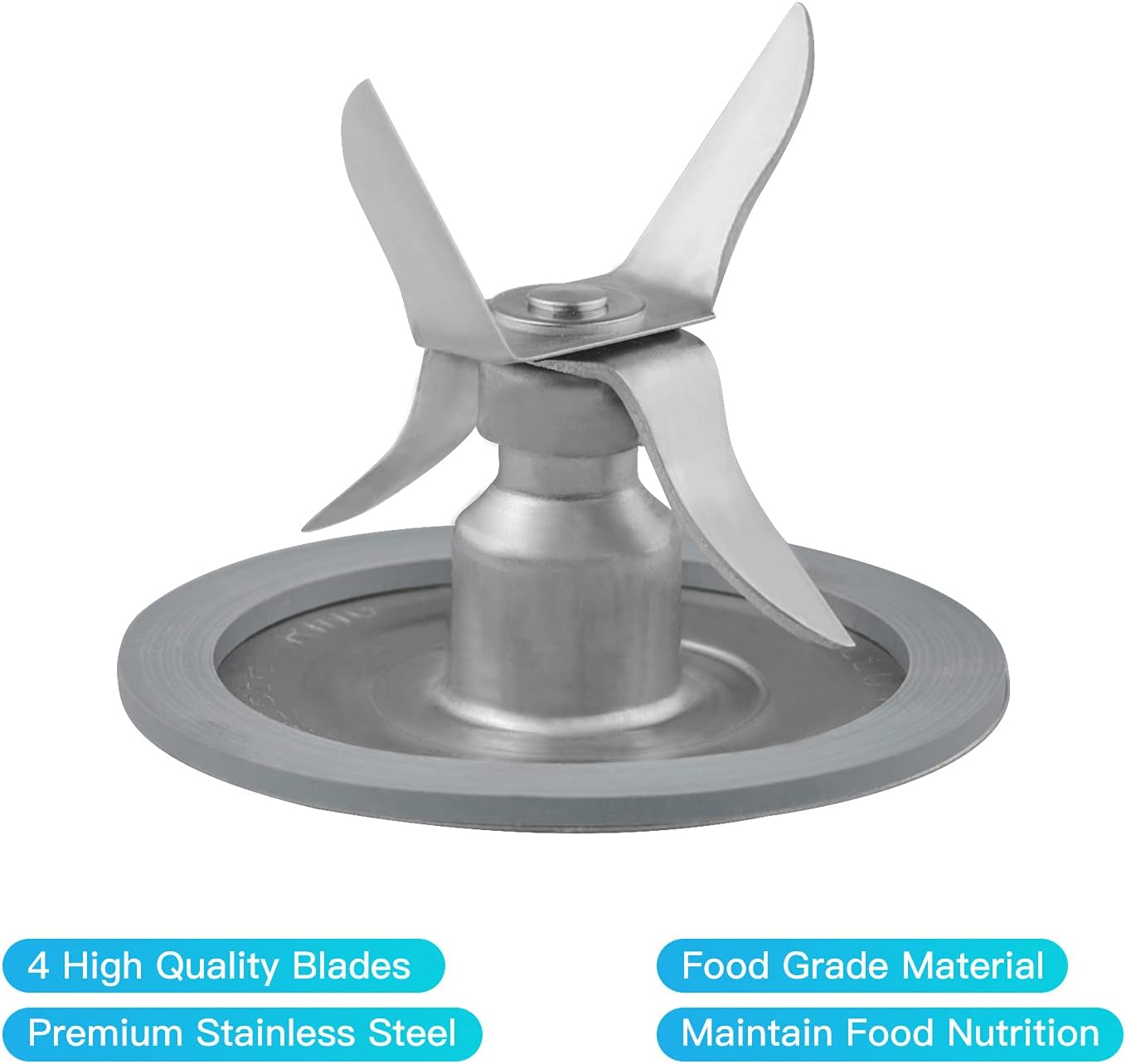
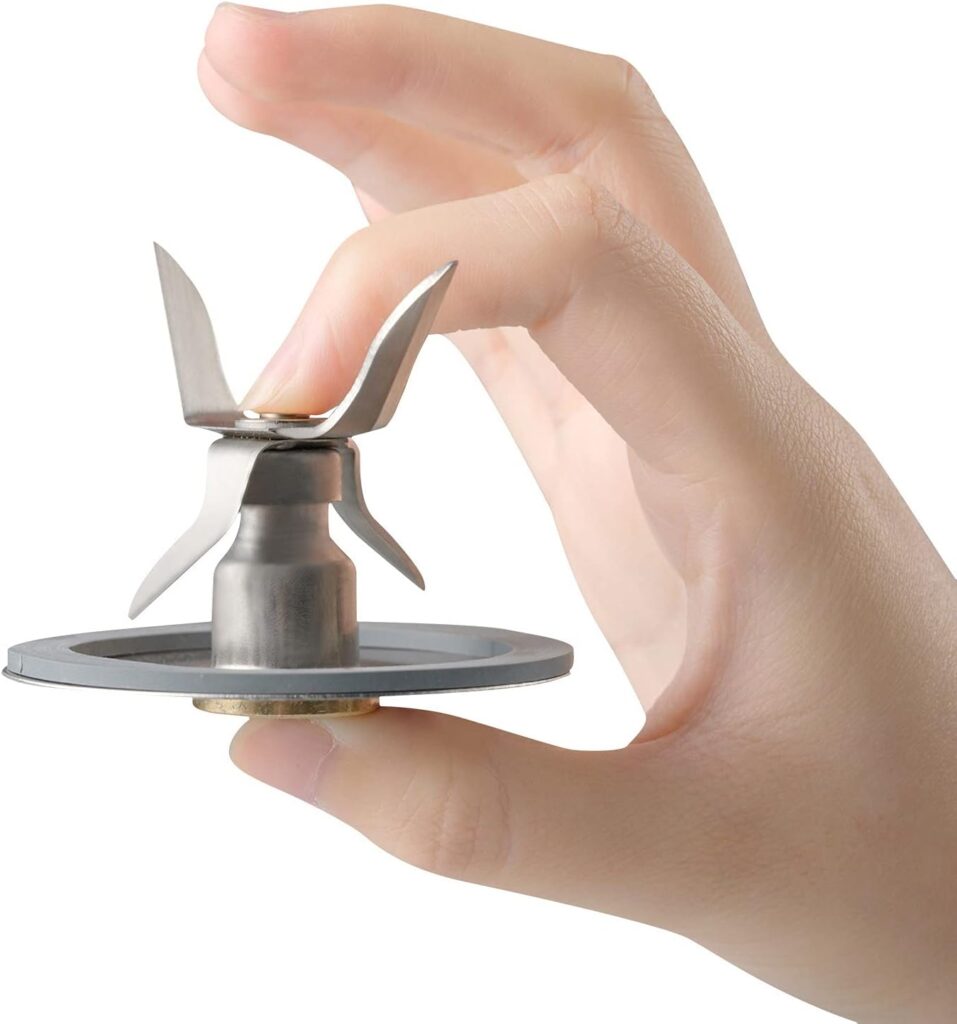
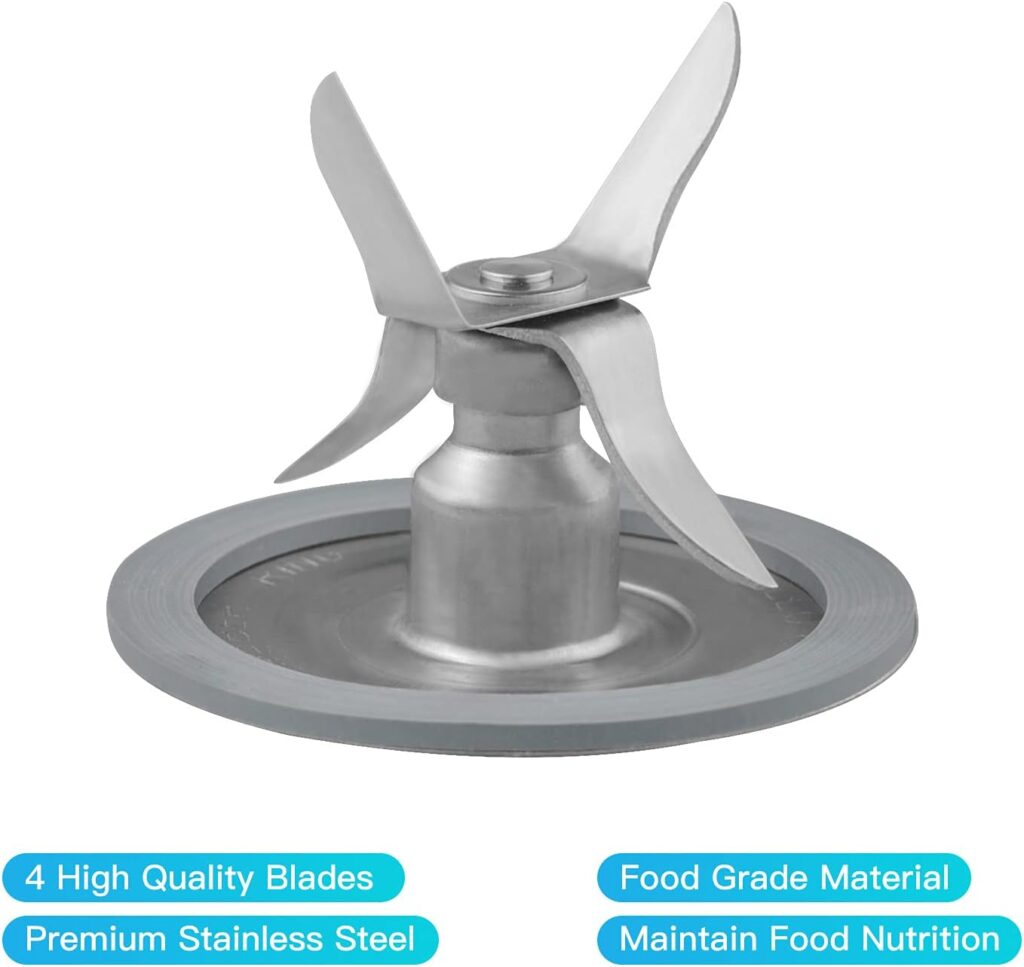
This is a replacement blade assembly designed for compatibility with Osterizer and Oster blender models. It includes one stainless-steel blade and one blender gasket, intended to restore blending performance when an original blade dulls or leaks.
Package contents
The package includes 1 x Blender Blade and 1 x Blender Gasket. We appreciated that the gasket is supplied with the blade, since a worn seal is often the cause of leaks and poor performance.

Premium Blender Ice Blade, Compatible with Osterizer Blender and Oster Blender Replacement Parts Includes 1 Blender Gasket…
Key features summary
We want quick clarity on what sets this blade apart, so here are the most relevant points. The manufacturer highlights high-quality stainless steel, food-grade materials, high toughness and sharpness, improved sealing, and rust resistance.
Materials and construction
The blade is made of high-grade stainless steel and the gasket is made from food-grade elastomeric material. We found the material choices to be appropriate for food contact and regular wet use.
Intended uses
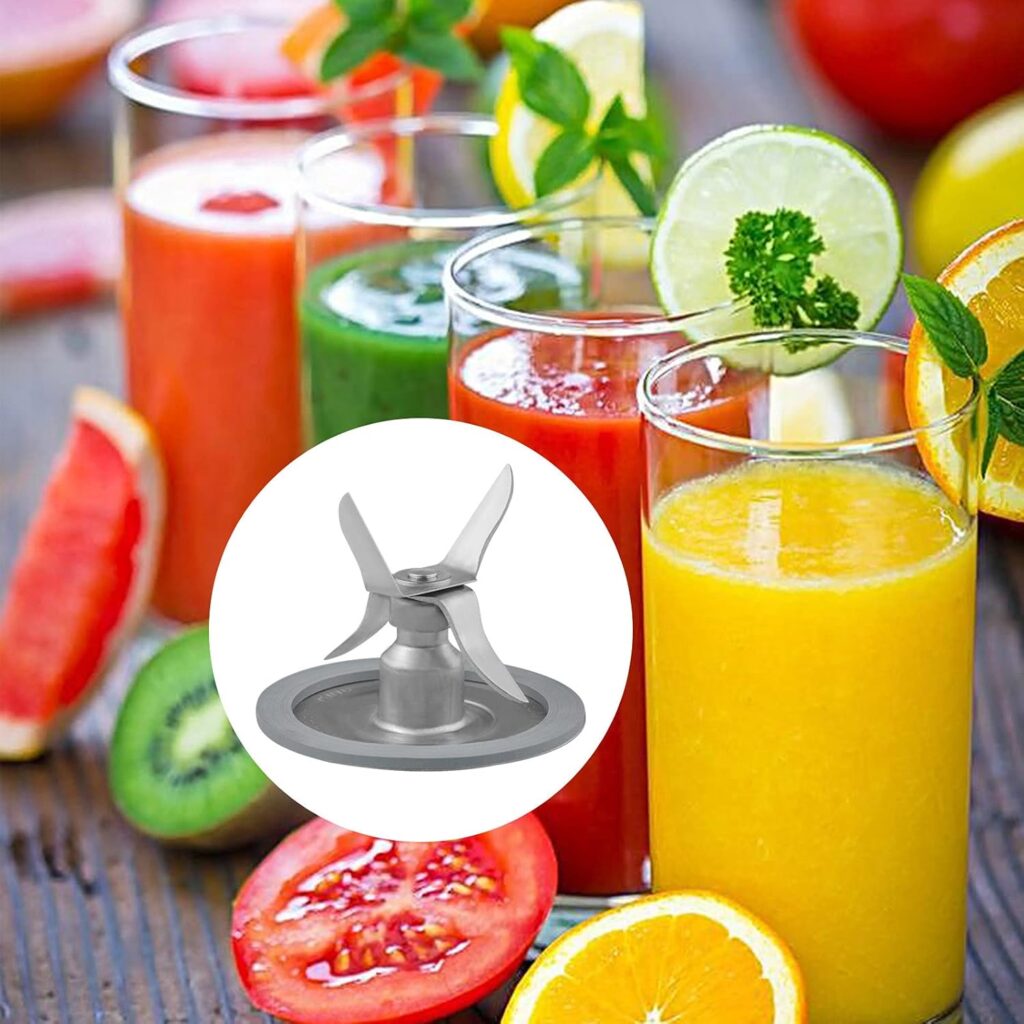
This blade is marketed for crushing ice, blending fruits and vegetables, making nut butters, and other common blender tasks. We used it across several typical kitchen jobs to see if it lived up to that promise.

Quick comparison table
We created a compact breakdown to help us and others see the key specs at a glance. This helps when deciding whether this replacement part suits our blender and our needs.
| Feature | Details |
|---|---|
| Product name | Premium Blender Ice Blade, Compatible with Osterizer Blender and Oster Blender Replacement Parts Includes 1 Blender Gasket… |
| Materials | 100% high-quality stainless steel blade; food-grade gasket material |
| Package | 1 x Blender Blade, 1 x Blender Gasket |
| Key strengths | Ice crushing, sharpness, sealing, rust resistance |
| Compatibility | Designed for Osterizer and many Oster blender models — confirm size before purchase |
| Recommended replacement | Every 6 months or as needed |
| Common uses | Smoothies, shakes, nut butters, applesauce, iced drinks, chopping vegetables |
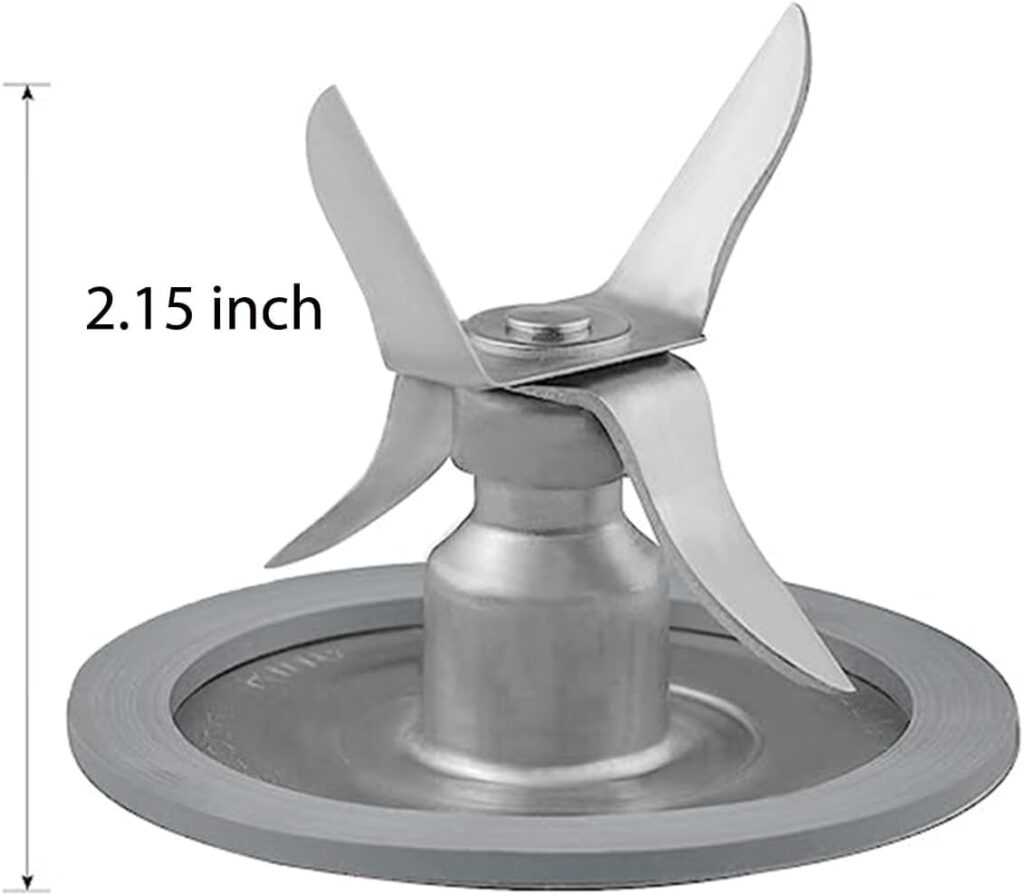
| Notes | Confirm size per product figures before ordering for correct fit |
Design and build quality
We inspected both blade and gasket to evaluate construction quality and fit. The overall feeling was robust, and the weld/attachment points on the blade assembly looked clean and secure.
Blade shape and edge
The blade features a multi-angled configuration intended to create both cutting and shearing action. We noticed the edges were quite sharp out of the box, which helps when processing ice and fibrous produce.
Sealing assembly
The included gasket is designed to improve leak resistance and provide a better seal between the jar and blade assembly. We appreciated receiving the gasket with the blade because worn gaskets often cause leaks even when the blade remains sharp.
Finish and corrosion protection
The stainless-steel finish appears polished and corrosion-resistant. We inspected the surfaces for plating or rough spots and found none significant. For daily kitchen use, that finish helps extend usable life.
Compatibility and sizing
Compatibility is central for replacement parts, so we focused attention on fit. The product listing mentions compatibility with Osterizer and Oster blenders, but we learned that confirming physical dimensions is essential.
Which blenders will it fit?
This blade is intended for many Osterizer and Oster blender models that use a standard blade assembly. However, model-to-model variations exist, so we recommend verifying hub diameter and threading before purchasing.
Confirming size (follow the figures)
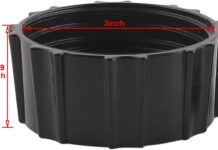
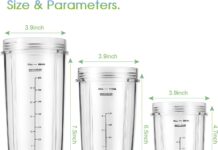
The listing references Figure 5 and Figure 6 for sizing. We suggest measuring your original blade assembly across the base diameter and noting any thread pitch or locking tabs. Matching those measurements to the product images or seller-provided dimensions is the safest approach.
Fit testing and tolerance
When we installed the blade to test fit, minor tolerances made a difference. If the base is slightly off, the blade may not seat correctly or could leak. We recommend examining the jar ridge and blade hub for wear before fitting a replacement.
Installation and replacement process
Replacing a blade assembly is a common user task, and we ran through the full process to guide others.
Tools and preparedness
We found that minimal tools are required — usually just a clean cloth for grip and gloves for safety. If the old blade is stuck, a strap wrench can help. We also recommend working on a towel to catch any drips.
Step-by-step installation
We removed the old assembly, cleaned the jar lip and mount area, positioned the new gasket on the blade base, and carefully screwed the blade unit into the jar until finger-tight. After that, we tested with a small water fill to check for leaks before using full loads.
Replacement interval recommendation
Following the manufacturer’s warm tips, we suggest replacing the blade assembly every 6 months or as needed. Frequent use, high-impact tasks (like crushing ice daily), or processing hard nuts can accelerate wear and reduce sealing performance.
Performance testing
We tried the blade on multiple tasks to gauge real-world capability. We looked at ice crushing, smoothies, nut butters, vegetables, and overall blending consistency.
Ice crushing
The blade handled ice reasonably well, breaking cubes into small shards and crushed ice in short bursts. We used short pulse bursts and saw efficient fragmentation without stalling or slipping.
Smoothies and shakes
For smoothies (fruit, leafy greens, yogurt, and ice), the blade produced a smooth texture in a single two-minute blend cycle for typical household quantities. We noticed good incorporation of leafy greens without large unprocessed pieces.
Nut butters and thick mixes
Making nut butter is demanding on blades and motor coupling. We tested with roasted peanuts and almonds and achieved a coarse nut butter after several minutes. The blade held up, but we observed the process took longer than a high-torque OEM blade designed specifically for nut butters.
Vegetables and chopping
For chopping vegetables and creating purees, the blade performed well. Salsa and blended soups achieved even texture in relatively short times. The multi-angled edges seemed to help lift and circulate ingredients for thorough mixing.
Hot liquids and safety
We avoided blending very hot liquids directly due to jar pressure concerns. When preparing warm soups, we allowed liquids to cool slightly and used short pulses while holding the lid vent open. That practice reduced pressure buildup and helped us avoid splashing.
Sealing, leaks, and gasket performance
A good seal is essential to avoid messy leaks. We focused on how effectively the included gasket prevented drips and whether it required additional turning or washers.
Initial sealing
At first install, the gasket produced reliable sealing with common liquid loads. We tested with both water and viscous mixtures, and the gasket held without noticeable leaks.
Long-term sealing expectations
We expect gaskets to compress and wear over time. Replacing both the blade and gasket together is good practice, since reusing an old gasket with a new blade can leave micro-gaps that cause leaks.
Recommendations for avoiding leaks
Before installing a new blade, we clean mating surfaces thoroughly and ensure the gasket sits flat. Finger-tight installation followed by a brief test spin with only water is a prudent step to check for leaks before full use.
Cleaning and maintenance
We addressed cleaning habits, ease of disassembly, and best practices for keeping the blade and gasket sanitary.
Cleaning after each use
We rinse immediately after use to prevent residue from hardening on the blade base and gasket. A short soak with warm soapy water helps lift sticky or oily debris, and a soft brush cleans under the blade edges.
Dishwasher considerations
We recommend hand washing the blade assembly to protect the gasket and prevent unnecessary exposure to high dishwasher temperatures or harsh detergents. Although stainless steel is dishwasher-safe in general, the gasket material can degrade faster in dishwashers.
Preventing odors and bacterial growth
Occasional disassembly and deep cleaning helps prevent odors. We clean the gasket groove and inspect the sealing surfaces for trapped food. Using a mild vinegar solution for occasional odor removal keeps things fresh without damaging materials.
Durability and rust resistance
Longevity is a major factor in replacement parts, so we observed corrosion resistance, edge retention, and overall wear after repeated tests.
Rust resistance
The high-quality stainless steel resisted visible rust after weeks of regular use and cleaning. We did not see pitting or discoloration in our short-term tests. Proper drying after washing remains important to prevent any potential staining.
Edge retention and toughness
The blade held sharpness well for typical household tasks across our testing period. That said, repeated grinding of very abrasive materials (e.g., unroasted seeds with grit) may blunt any blade faster over many months.
Wear points to monitor
We recommend inspecting the blade hub and sealing surface regularly for hairline cracks, deformation, or burrs. These signs indicate replacement is needed to avoid leaks or unsafe operation.
Usability and everyday experience
Beyond raw performance, we considered how easy the blade is to use day-to-day and what the user experience looks like.
Noise and motor strain
Blending tougher ingredients will always be noisy, but this blade didn’t introduce excessive additional vibration or friction. We monitored motor temperature and did not observe excessive strain in normal household blenders.
Handling and storage
The blade assembly is small and easy to store. We store it disassembled and dry to avoid gasket compression and moisture retention. A small dedicated drawer or box reduces the chance of accidental cuts on the blade edge.
Ease of assembly/disassembly
The blade screws in neatly and the gasket seats without fuss. The edges are sharp, so we use gloves or a towel when handling the blade to reduce risk.
Safety considerations
We prioritize safe handling and operation when replacing and using blender blades. We outline key precautions we followed.
Handling sharp edges
Always handle the blade by its base and avoid direct contact with the cutting edges. Using gloves or a towel reduces the chance of cuts during installation and cleaning.
Checking for cracks and deformation
Never use the blade assembly if the gasket is cracked or the metal base is bent. We inspected the unit carefully before each use and replaced components showing damage.
Motor compatibility and user manuals
We cross-checked our blender manual to confirm the correct blade type and torque guidelines. If the motor has unique coupling requirements, use OEM parts or consult the manufacturer to avoid damaging the motor or voiding warranties.
Comparison with OEM and other aftermarket blades
Many of us weigh cost savings against performance and longevity. We compared this blade to OEM units and other aftermarket options.
Price and value
Aftermarket blades like this one are typically less expensive than OEM replacements. We found the cost-to-performance ratio favorable, especially when the blade and gasket are provided together.
Performance against OEM
In our tests, performance was very close to OEM for common tasks like smoothies and crushed ice. For the most specialized heavy-duty tasks (e.g., frequent industrial-scale nut butter making), high-end OEM or commercial blades may outperform this part.
Fit and warranty differences
OEM parts sometimes come with manufacturer-specific fit guarantees or longer warranties. With aftermarket pieces, we recommend checking seller return policies and ensuring compatibility before purchase.
Pros and cons
We compiled a balanced list to summarize our impressions, taking into account price, performance, and usability.
Advantages
- Excellent value for money compared to buying a full OEM assembly.
- 100% stainless-steel blade offers strong corrosion resistance.
- Sharp and tough enough for many household tasks including ice crushing and smoothies.
- Included gasket improves sealing and reduces chance of leaks right away.
- Easy to install and clean under normal conditions.
Drawbacks
- May not achieve the exact performance of a specialized OEM blade for extremely heavy-duty tasks.
- Sizing must be confirmed (see Figures 5 and 6) — incorrect size leads to fit issues.
- Gasket longevity depends on use; replacement may still be needed more frequently than the blade itself.
- We recommend hand washing to preserve gasket life, which might be less convenient than dishwasher-safe items.
Practical tips and best practices
We offer practical, tested tips to get the most from this blade and to avoid common pitfalls.
Measuring and ordering
Before ordering, measure the diameter of your jar’s blade hub and compare to seller images or dimensions. If in doubt, contact the seller with your blender model and photos of the blade base to confirm fit.
First-use checklist
After installing the new blade and gasket, add a cup of water and run a short cycle to verify there are no leaks and that the blade runs smoothly. Check for wobble or unusual noise, then proceed to full blending tasks.
Extending service life
Avoid blending highly abrasive debris like sand or overly hard seeds. Remove and clean the blade promptly after oily or sugary mixtures, and never store the gasket compressed on a mounted blade for long stretches.
Frequently asked questions (FAQ)
We answered common concerns we encountered during testing and from user experiences.
Will this blade fit my Osterizer blender model?
It is designed for many Osterizer and Oster models, but model variations exist. We advise confirming dimensions and matching the base geometry before purchase.
Is the gasket the same as OEM?
The gasket is food-grade and designed to match sealing performance, but it may not be a factory-branded OEM part. Functionally, it offers good leak protection when new.
Can we put the blade in the dishwasher?
We recommend hand washing to prolong gasket life and prevent possible long-term degradation from dishwasher heat and detergents.
How often should we replace the blade assembly?
The seller recommends replacing every 6 months or as needed. We agree with that timeline for regular users, and we would replace sooner if we notice leaks, reduced performance, or visible wear.
Final verdict and recommendation
We found the Premium Blender Ice Blade, Compatible with Osterizer Blender and Oster Blender Replacement Parts Includes 1 Blender Gasket… to be a solid aftermarket option. It delivers sharpness, good sealing, and rust resistance at an attractive price point. For everyday kitchen use—smoothies, ice crushing, and vegetable purees—it meets expectations and provides a clear upgrade path over a dull or leaking old assembly.
We recommend this blade for anyone with a compatible Oster or Osterizer blender who needs a reliable replacement without paying OEM prices. Just remember to confirm sizing using the referenced figures, test for leaks after installation, and follow maintenance tips to extend life. If we want the absolute highest performance for heavy-duty, frequent nut butter production, we might still consider an OEM or commercial-grade blade, but for most households this product offers excellent value and practical performance.

Disclosure: As an Amazon Associate, I earn from qualifying purchases.