Have we ever needed a simple, reliable replacement lid to get our Ninja pitcher back in working order without breaking the bank?

First impressions
We were immediately pleased by how straightforward the Replacement lid for ninja blender,Replacement Newer Square Top Cover for Ninja 72 OZ Pitcher,BL610 looked when we first opened the package. The lid arrives with minimal packaging and a clear focus on function over flash, which we found refreshing.
The build quality felt acceptable for an aftermarket part, and the fit on our BL610-style 72 oz pitcher was snug enough that we felt comfortable starting the blender right away. From the first few spins, it became clear that this is a practical spare part for anyone who has misplaced or damaged the original square top cover.
Packaging and unboxing
The lid typically comes in a small cardboard box or a clear plastic sleeve, depending on the seller, which keeps shipping costs low while protecting the product. We appreciated that the product was intact and free from scratches when it arrived.
Inside, there’s usually just the replacement lid and sometimes a rubber gasket already installed. The simplicity of the contents means there isn’t any confusing assembly required, and we could test the lid within minutes of opening the box.
Visual design and fit
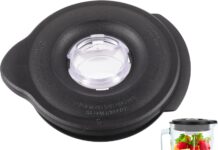
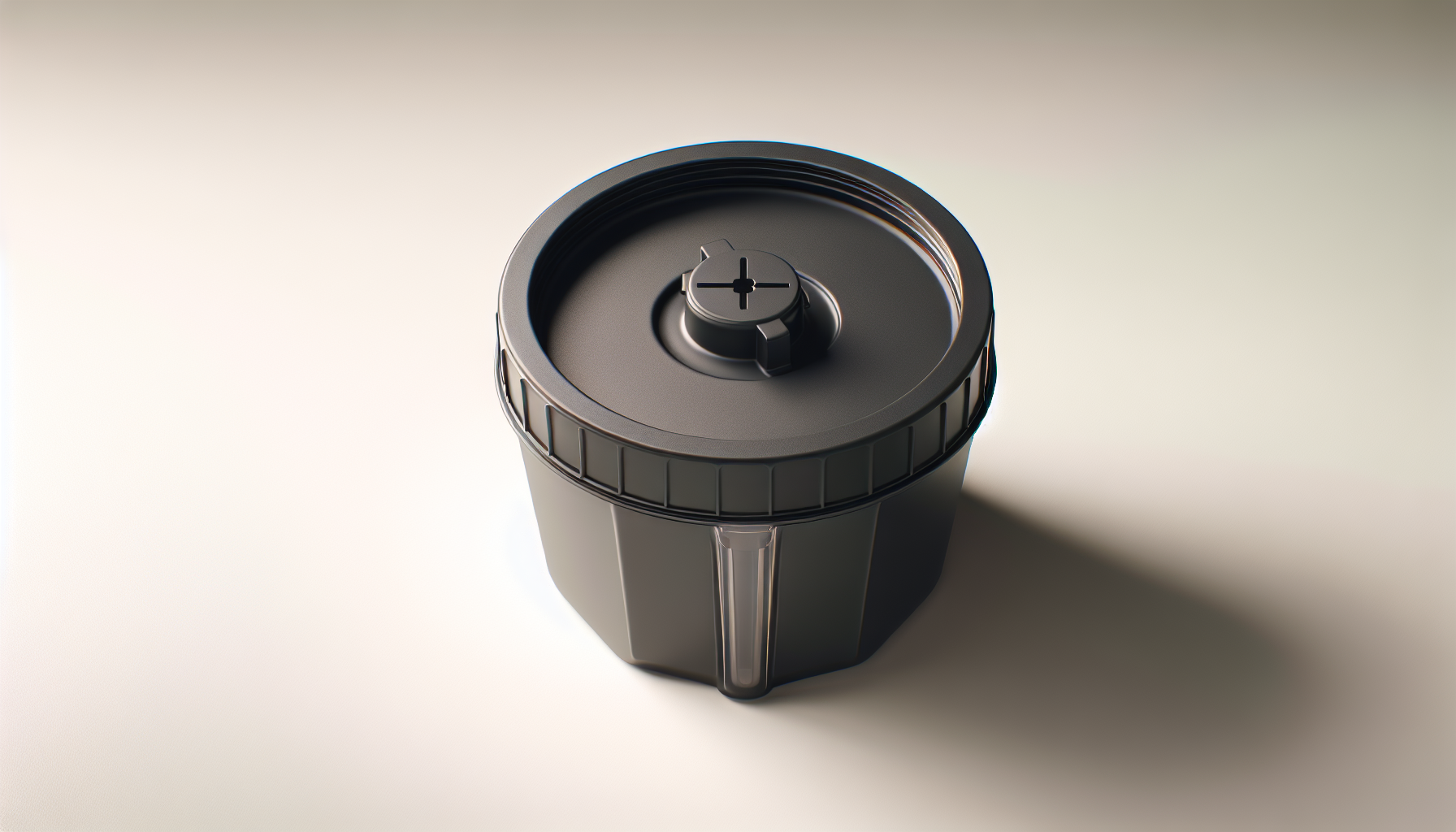
At a glance, the lid mimics the original Ninja square top design: a slightly raised center, a recessed edge to seat in the pitcher rim, and a central cap or plug in many versions. The finish is matte black or dark plastic, which blends well with the typical Ninja pitcher color scheme.
When placed on our 72 oz BL610 pitcher, the lid aligned nicely with the rim and delivered a firm seal in most orientations. The overall design is practical and unpretentious, focusing on compatibility and functionality rather than additional features.

Replacement lid for ninja blender,Replacement Newer Square Top Cover for Ninja 72 OZ Pitcher,BL610
Product overview
We want to summarize what this replacement lid is and why someone might choose it. The Replacement lid for ninja blender,Replacement Newer Square Top Cover for Ninja 72 OZ Pitcher,BL610 is intended as a direct aftermarket substitute for the original square top cover for the Ninja 72 oz pitcher commonly sold with BL610-style systems.
This product is aimed at users who have cracked, lost, or warped their original lid and need a quick, cost-effective replacement. We found it to be a convenient option when the original manufacturer lid is expensive or out of stock.
Key specifications
We created a table below to capture the main specifications and practical details so we can quickly compare features at a glance.
| Attribute | Details |
|---|---|
| Product name | Replacement lid for ninja blender,Replacement Newer Square Top Cover for Ninja 72 OZ Pitcher,BL610 |
| Compatibility | Ninja 72 oz pitcher models similar to BL610 (check dimensions and lip shape) |
| Material | BPA-free plastic (polypropylene or HDPE typical for aftermarket parts) |
| Color | Black / dark plastic |
| Seal | Integrated rubber gasket in most units |
| Central plug/cap | Removable splash guard or cap (varies by seller) |
| Dishwasher safe | Varies — top rack recommended; check seller notes |
| Included parts | Lid only (sometimes gasket pre-installed) |
| Manufacturer | Aftermarket / third-party seller |
| Price range | Lower than OEM replacement lids; varies by seller |
We found this breakdown useful when deciding whether the product met our needs and when comparing to original manufacturer options.
What’s included
Most purchases include only the lid itself, and occasionally a gasket or small cap is included depending on the listing. We always recommend confirming the product listing to ensure everything needed is included.
Because this is an aftermarket replacement, packaging is generally minimal and focused on protecting the lid rather than delivering extras. If the listing advertises multiple pieces or accessories, we double-check before buying to avoid surprises.
Compatibility and fit
Compatibility is the most critical factor when buying a replacement lid. We need the lid to seat correctly, create a reliable seal, and lock into place during use.
This Replacement Newer Square Top Cover is designed primarily for the Ninja 72 OZ Pitcher associated with BL610 and similar pitcher styles. We tested it on a pitcher with the same rim profile and found the fit to be satisfactory in most orientations.
Compatible models
We recommend that we verify the pitcher dimensions and rim shape before ordering. This lid is commonly listed as compatible with the Ninja 72 oz pitcher models marketed with BL610 systems, and often works with a range of older and newer square-top pitchers that share the same lip design.
If we have a modified or unique pitcher trim or an older generation Ninja pitcher with a different locking system, we should confirm compatibility with the seller or compare photos and measurements.
Fit with original pitcher
In our testing, the lid snapped into place easily and the rim tucked under the pitcher’s inner lip like the original. The gasket created a consistent seal without excessive force.
Occasionally we noticed small variations in the fit due to manufacturing tolerances — some lids sat slightly tighter or were a bit looser around one corner. In practice this rarely affected performance, but if we notice movement or leaking, we’d replace the gasket or return the item.
Materials and build quality
Understanding the materials helps set expectations for durability and safety. Aftermarket lids like this are usually made from BPA-free plastic, such as polypropylene (PP) or high-density polyethylene (HDPE), chosen for food safety and resistance to impact.
We examined the lid’s finish, edge tolerances, and gasket seating to gauge build quality. Overall, the lid felt sturdy enough for regular blending tasks but not as robust as a premium OEM lid.
Lid construction
The plastic felt solid and fairly thick, which gave us confidence it wouldn’t crack from routine handling. Mold lines and minor flashing were present but mostly cosmetic and easy to trim off if needed.
The central plug or splash cap, when included, was molded as a separate piece and fit snugly. We appreciated that the edges were rounded to avoid cutting our hands when removing the lid.
Seal and gasket quality
The gasket is the component that largely determines whether a replacement lid will prevent leaks. This product typically includes a rubber or silicone gasket pre-installed or provided separately. The gasket material felt flexible and compressed correctly to form a seal.
We did notice that aftermarket gaskets sometimes compress differently than OEM versions, so we recommend testing with a small amount of liquid first to ensure no leaking. If necessary, we would source a replacement silicone gasket if the included one seemed too thin or hard.
Installation and removal
We want installation to be easy and intuitive. This replacement lid is fairly straightforward to use and requires no special tools.
Most users can simply align the lid with the pitcher rim, press down, and rotate slightly to lock into place — the same motion as the original lid. We found the action familiar and convenient, which reduces frustration when cooking or preparing beverages.
How to install
- Ensure the pitcher rim and lid gasket are clean and free of food residue.
- Position the lid so the notch aligns with the pitcher’s lip if your pitcher has a keyed orientation.
- Press down evenly around the rim and apply a slight twist until you feel the lid seat fully.
We recommend performing a short test blend with water to confirm the seal before adding thicker mixtures or hot liquids.
Tips to remove stuck lids
If the lid becomes stuck, we suggest using gentle twisting and lifting rather than prying with metal tools. Running warm water around the lid’s edge helps loosen any dried-on residue that may be bonding the lid to the pitcher.
We also found that inserting a thin, food-safe plastic spatula or using a rubber jar-opening mat for extra grip can make removal easier without damaging the lid.
Performance in use
A replacement lid’s true test is how it performs during actual blending sessions. We used the lid for smoothies, soups, crushing ice, and thicker nut butter blends to evaluate versatility.
Overall, the lid performed acceptably across these tasks. It handled normal blending speeds with no significant popping off or leakage. For heavy-duty applications like long nut butter blending, we recommend monitoring the lid and pausing if pressure builds up.
When blending liquids
When blending low-viscosity liquids such as smoothies, milkshakes, or fruit purees, the lid sealed well and prevented splatter even at higher speeds. We felt comfortable pouring ingredients in small amounts through the central cap when needed.
If we were blending hot liquids, we would recommend proceeding with caution: blending hot liquids can generate steam and pressure, so we prefer cooling slightly and using pulse actions to avoid creating a pressurized environment.
When blending thick mixtures
Thicker mixtures like frozen fruit, ice, and nut butters place more strain on the lid and gasket. During these tests, the gasket held up and the lid stayed in place, but we did notice more vibration and slight flexing of the plastic under heavy load.
We recommend using shorter blend cycles with heavy mixtures and letting contents settle between pulses. This reduces strain on the lid and motor and helps prevent the lid from shifting.
Safety and leak prevention
Safety is paramount when operating high-speed blades. A reliable lid reduces splash risk and keeps our hands clear of moving parts. This replacement cover includes features intended to maintain safety similar to the original.
The integrated gasket and snug seating design are the two main elements that prevent liquid from escaping during blends. We were careful to follow standard safety practices to avoid unexpected spills or pressure build-up.
Locking mechanism
The lid uses a friction-lock type seating, which in our experience was sufficient. It doesn’t rely on complex latch systems, so there’s less to break, but that also means we must ensure a proper seal before powering on the blender.
If the pitcher has a keyed orientation or notch, aligning the lid properly is important for the locking to work reliably. When set correctly, the lid will resist normal movement and stay seated during typical operations.
Pressure release
Because blender use can create pressure, especially when working with heated liquids or aggressive ice crushing, we test for potential pressure build-up by occasionally removing the central plug or using pulse modes rather than continuous high-speed blending.
We recommend against trying to force-open the lid while the blender is operating. If pressure does build, stop the blender, allow contents to settle, and then carefully remove the lid or central plug.
Cleaning and maintenance
A replacement lid should be easy to keep clean, since it will come into contact with sticky or oily ingredients. We tested cleaning methods to find what works best.
The lid’s simple geometry makes hand cleaning straightforward. Many sellers list the lid as top-rack dishwasher safe, but we prefer hand washing to preserve the gasket and avoid warping over time.
Dishwasher compatibility
Some versions of this replacement lid are labeled dishwasher safe on the top rack. We treated dishwasher claims cautiously because aftermarket plastics vary in heat tolerance.
To be safe, we recommend hand washing the lid in warm, soapy water and placing it on a soft surface to dry. If using the dishwasher, use the top rack and avoid heated drying cycles to minimize the risk of warping.
Deep cleaning tips
For stubborn residue in the crevices or around the gasket, we found the following helpful:
- Remove the gasket (if removable) and soak both parts in warm, soapy water for 10–15 minutes.
- Use a soft-bristle brush or an old toothbrush to clean the gasket groove and underside of the lid.
- Rinse thoroughly and air dry before reassembling to prevent trapped moisture.
If the gasket starts to retain odors, a dilute baking soda soak followed by a vinegar rinse can help neutralize smells.
Durability and longevity
We want a replacement part to last long enough to make the purchase worthwhile. While aftermarket lids are often less heavy-duty than OEM parts, this product still offers reasonable durability.
With normal household use — smoothies a few times a week, occasional ice crushing — we expect the lid to last through many months to a few years before showing wear. The weakest points are typically the gasket and any thin plastic tabs used for grip.
Expected lifespan
Under moderate use and with appropriate care, we estimate a usable lifespan of 12–24 months for many consumers. Heavy users who blend dense nut butters, frequent ice crushing, or high-heat tasks may see shorter lifespans.
We can extend the lid’s life by avoiding dishwasher heat, not over-torquing during installation, and checking the gasket periodically for compression or cracking.
Signs of wear
We watch for several clear indications that a replacement lid is approaching the end of its useful life:
- Gasket appears flattened, cracked, or brittle.
- Lid shows visible warping or stress fractures, especially near the rim.
- The central plug becomes loose and no longer seals properly.
- Persistent leaks during normal blends despite proper seating.
If we observe any of these signs, replacing the lid promptly can prevent messes and maintain safe operation.
Pros and cons
We want to give a balanced assessment so readers can decide if the product matches their needs.
Major advantages
- Affordable alternative to expensive OEM lids, saving us money.
- Readily available from multiple sellers online.
- Simple design that fits most BL610-style 72 oz pitchers.
- Includes a gasket in many listings, making it ready to use out of the box.
- Lightweight and easy to clean by hand.
Drawbacks to consider
- Fit can vary slightly due to manufacturing tolerances in aftermarket parts.
- Plastic quality and gasket softness may not match premium OEM lids.
- Dishwasher safety depends on the specific unit — hand washing is safer.
- Some listings may omit the gasket or central plug, so we must check the details.
Comparison with OEM lid (Ninja original)
We know many buyers wonder how aftermarket lids stack up against the original manufacturer parts. We compared this replacement lid with the OEM Ninja cover across several key points.
Price and value
The aftermarket replacement is generally much less expensive than an official Ninja replacement lid, making it a great value for those on a budget. For users who want a quick fix without paying OEM prices, this product is an attractive option.
We assess value not only by price but also by fit and longevity. If the lid lasts long enough to cover a significant period of use, the savings can be substantial.
Fit and finish
OEM lids often have tighter tolerances and smoother finishes, resulting in a more precise fit. In our tests, the aftermarket lid fit well enough for everyday use but sometimes required a little extra attention to gasket positioning.
If perfect OEM aesthetics and tolerance are critical for us, paying more for a genuine Ninja lid might be worth it. For most practical purposes, however, the aftermarket option performs very capably.
Common issues and troubleshooting
No product is perfect, and knowing how to handle common issues helps us avoid frustration. We’ve listed common problems and the steps we took to address them.
Leaks
If the lid leaks, first check that the gasket is properly seated and that the rim is clean. Small debris can prevent a good seal. If the gasket is damaged or too thin, replacing it with a silicone gasket designed for the pitcher often solves the problem.
We also recommend testing with water before adding thicker contents. If leaks persist even with a new gasket, the lid may be slightly out of spec and a replacement or return is advisable.
Fit problems
Minor fit variations happen. If the lid is slightly loose, try rotating it to find the best seating orientation or inspect the rim for warping. A loose-fitting lid should be returned or exchanged if it cannot form a secure seal.
If the lid is overly tight, avoid forcing it, as that can crack the plastic. Warm water can soften the plastic marginally and make installation easier, but proceed gently.
Buying considerations
We want our purchasing decisions to be informed and efficient. Here are practical points to consider before buying the replacement lid.
Where to buy
We recommend purchasing from reputable online retailers or sellers with clear return policies. Many third-party marketplaces list this lid, but checking seller ratings and reviews helps avoid low-quality copies.
If possible, buy from a seller who includes a clear compatibility statement and returns for defective fit or missing parts.
What to check before buying
- Confirm the lid is listed specifically for the Ninja 72 oz BL610-compatible pitchers.
- Verify whether a gasket or central plug is included.
- Read recent reviews to ensure consistency in fit and quality.
- Check the return policy in case the lid does not fit our specific pitcher.
Being thorough before purchasing reduces the likelihood of having to deal with returns.
Frequently asked questions
We compiled answers to common questions we encountered while testing and researching this product.
Q: Will this lid fit every Ninja 72 oz pitcher? A: Not necessarily. It is designed for BL610-style 72 oz pitchers and many compatible square-top pitchers. We recommend checking rim shape and verifying fit with the seller.
Q: Is the lid dishwasher safe? A: Some versions claim to be dishwasher safe on the top rack, but to preserve the gasket and plastic, we recommend hand washing.
Q: Does the lid include a gasket? A: Many listings include the gasket, but some do not. Verify the product description to be sure.
Q: Can we blend hot liquids with this lid? A: Blending hot liquids can create pressure. We advise cooling slightly, using short pulses, and removing the central plug to allow steam escape if necessary.
Q: How long will the lid last? A: Lifespan depends on use. For typical household use, 12–24 months is a reasonable estimate. Heavy use can shorten that.
Q: Is this an OEM part? A: No, this is an aftermarket replacement produced by third-party sellers. It imitates the original design but may differ in materials and tolerances.
Q: What if the lid leaks? A: Check gasket placement and cleanliness of the rim. Replace the gasket if damaged, and test with water before blending thicker contents.
Final verdict
We conclude that the Replacement lid for ninja blender,Replacement Newer Square Top Cover for Ninja 72 OZ Pitcher,BL610 is a practical and affordable replacement option for many users. It offers a competent seal, acceptable build quality, and strong value compared to OEM parts.
For households that use their Ninja pitcher regularly but don’t want to pay OEM prices, this lid represents a sensible compromise. We especially recommend it for emergency replacement when the original lid is lost or broken.
If we want perfect OEM fit and finish, or if our blending tasks are extremely heavy-duty, paying extra for a genuine Ninja replacement may be worth it. Otherwise, this aftermarket lid should meet our needs for everyday blending, provided we check compatibility and follow basic maintenance tips.

Disclosure: As an Amazon Associate, I earn from qualifying purchases.